 Fractions
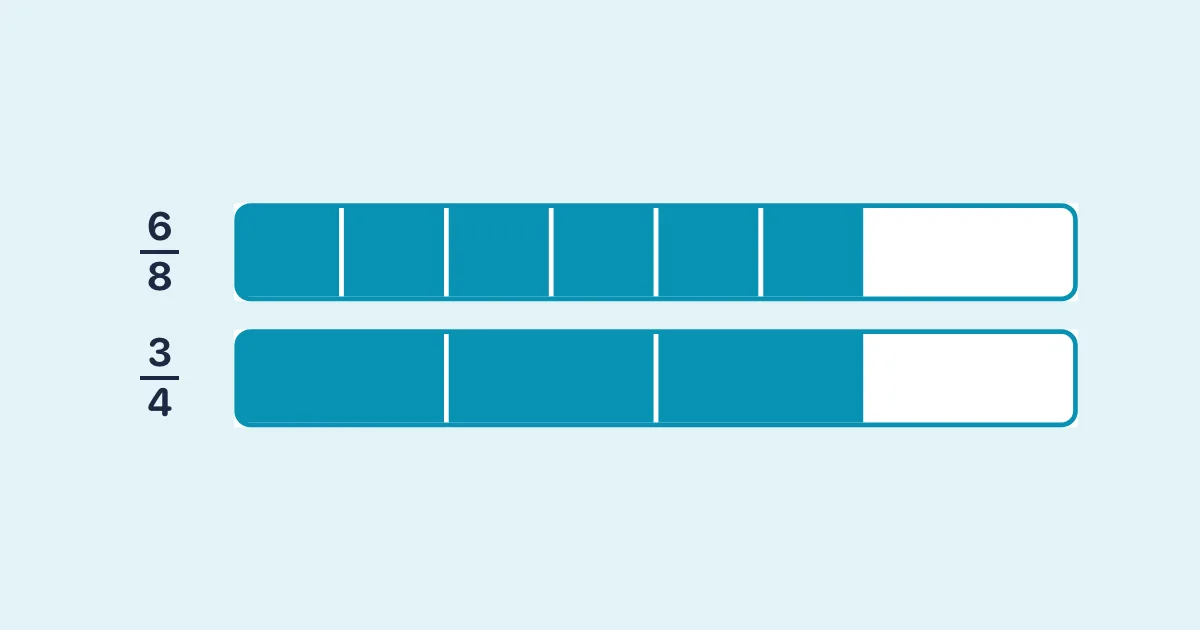
How to simplify fractions
To simplify a fraction, divide the top and bottom by the same number. A clear step-by-step method, divisibility tricks, diagrams and worked examples.
 Decimals
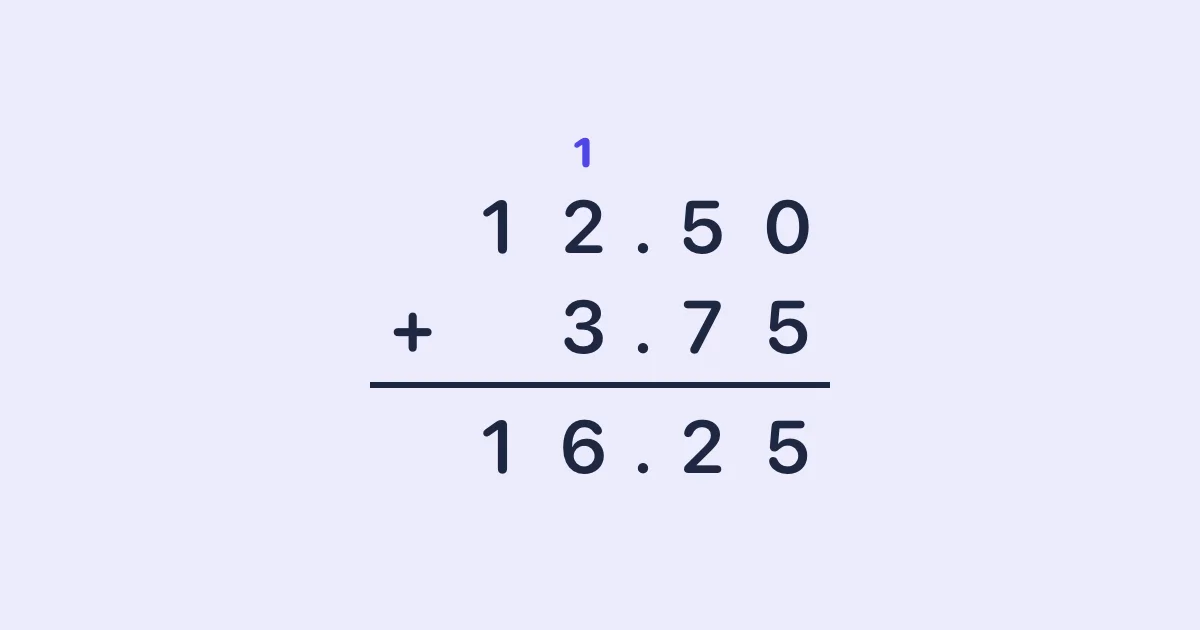
Adding and subtracting decimals
How to add and subtract decimals: line up the decimal points, fill gaps with zeros, use the column method and place the point in the…
 Geometry
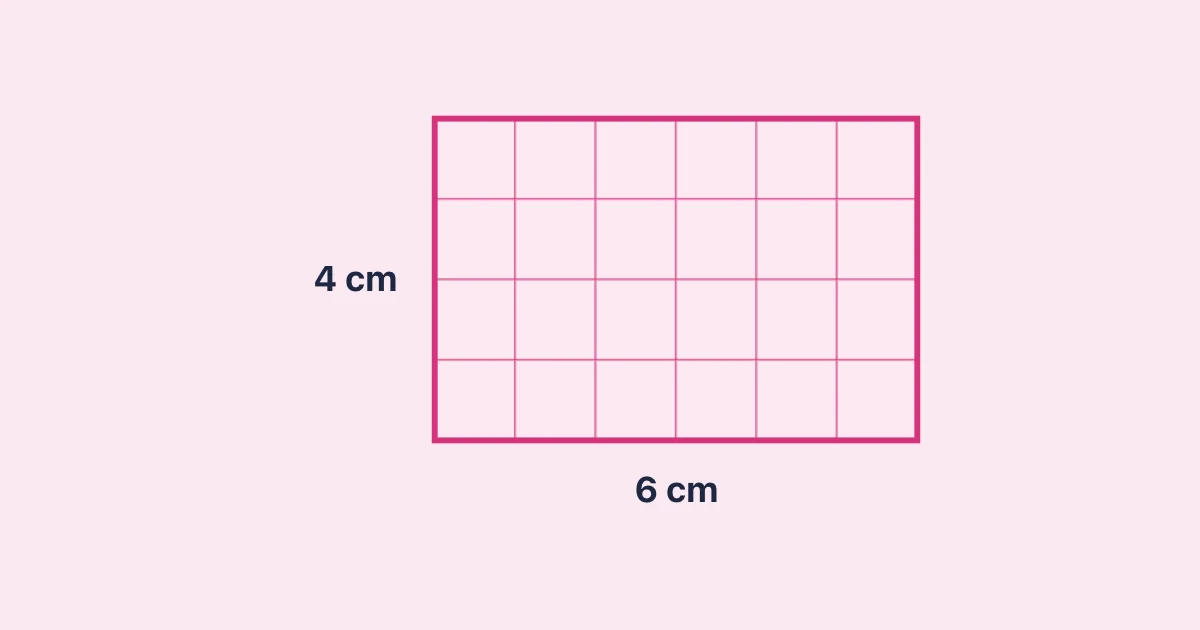
How to find the area of a rectangle
How to find the area of a rectangle: length × width, in cm² or m². Why the formula works, area vs perimeter, diagrams and worked examples.
 Written methods
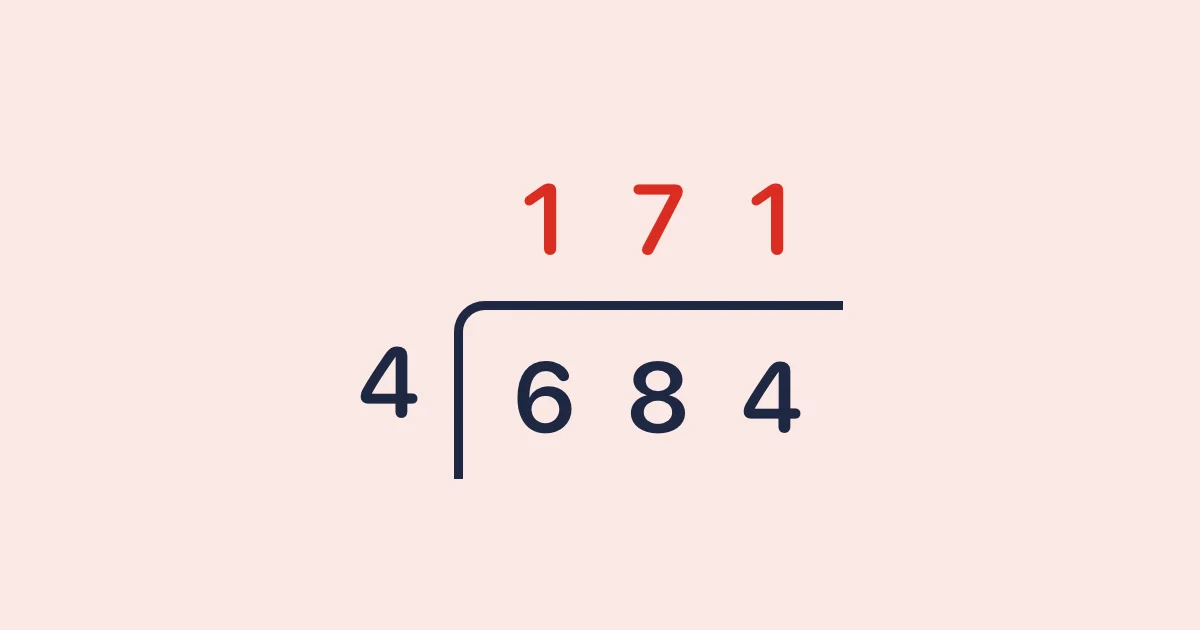
The bus stop method: how to teach division
How to teach the bus stop method (short division): what dividing means, the layout, carrying remainders, worked examples and the most…
 Written methods
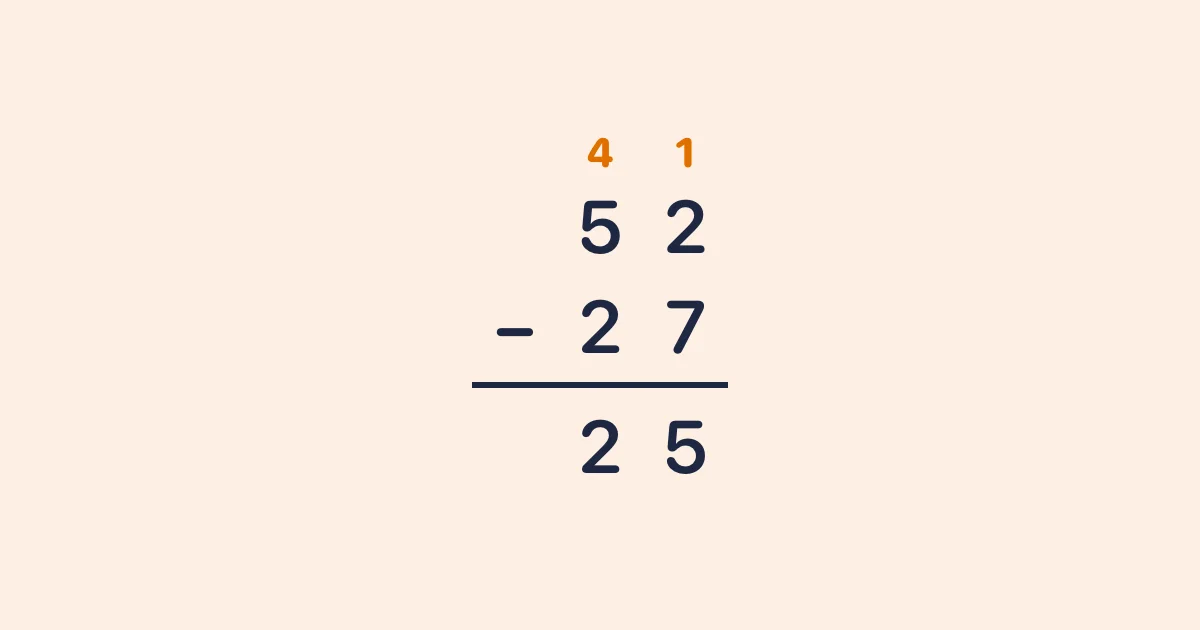
Column subtraction with exchanging, explained
How to do column subtraction with exchanging (also called borrowing or regrouping): a step-by-step method, the tricky zero case and…
 Decimals
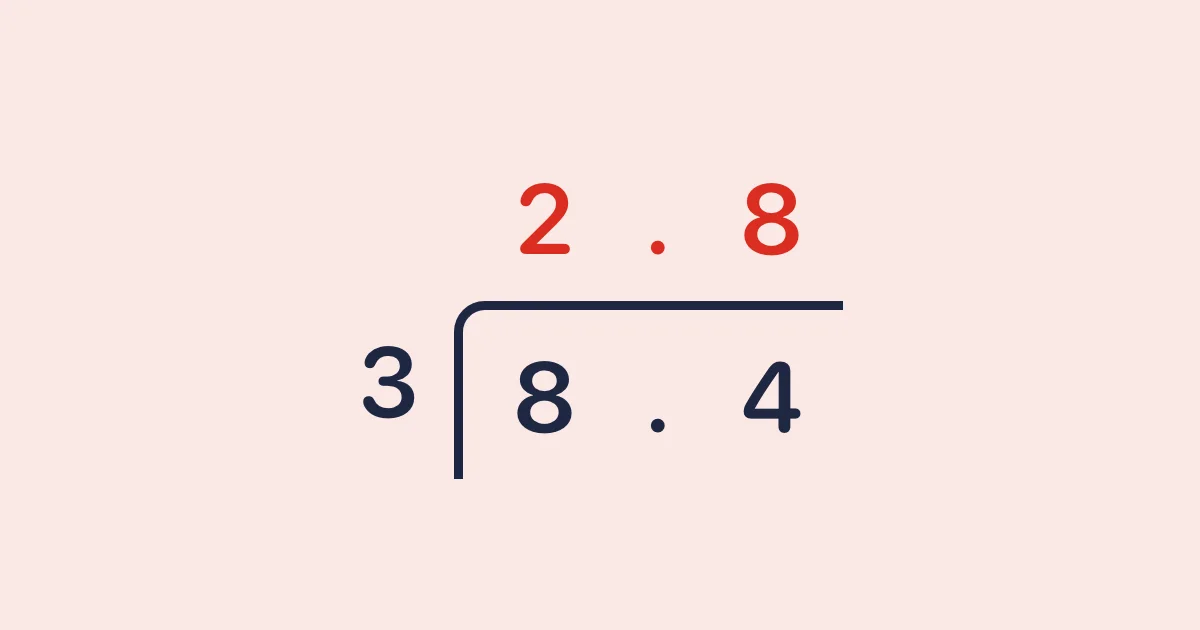
Dividing decimals by whole numbers
How to divide a decimal by a whole number with the bus stop method: the decimal point goes above the point, then carry on with zeros.…
 Mental maths
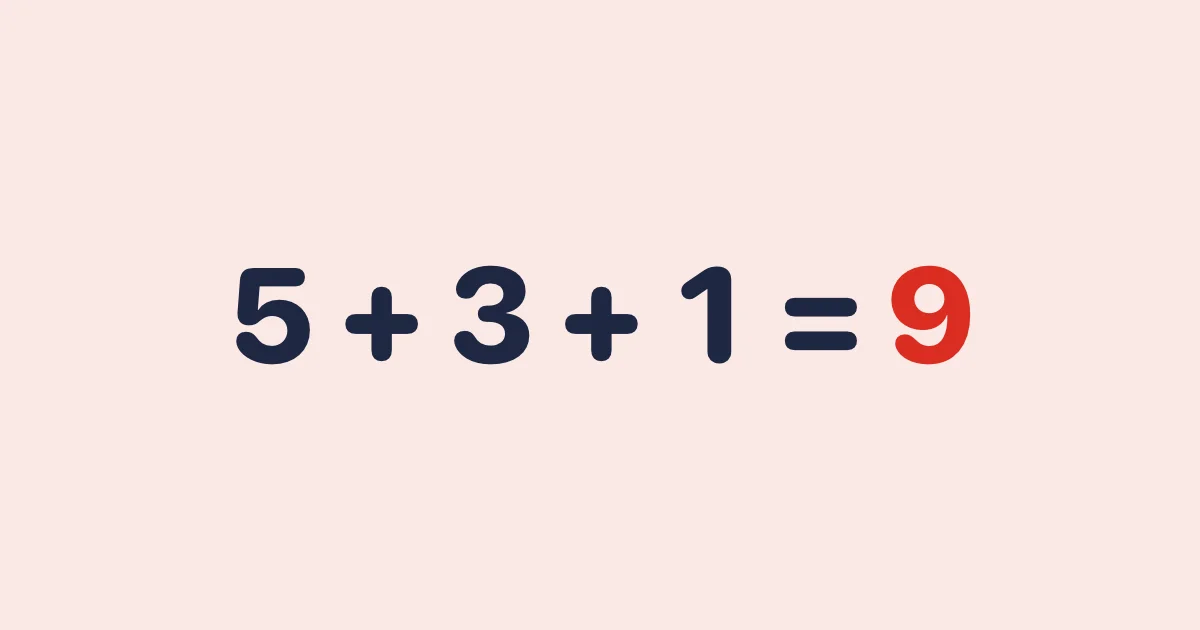
Divisibility rules for 2, 3, 4, 5, 9 and 10
Divisibility rules for children: 2, 5 and 10 by the last digit, 3 and 9 by adding the digits, 4 by the last two digits. Why they work,…
 Fractions
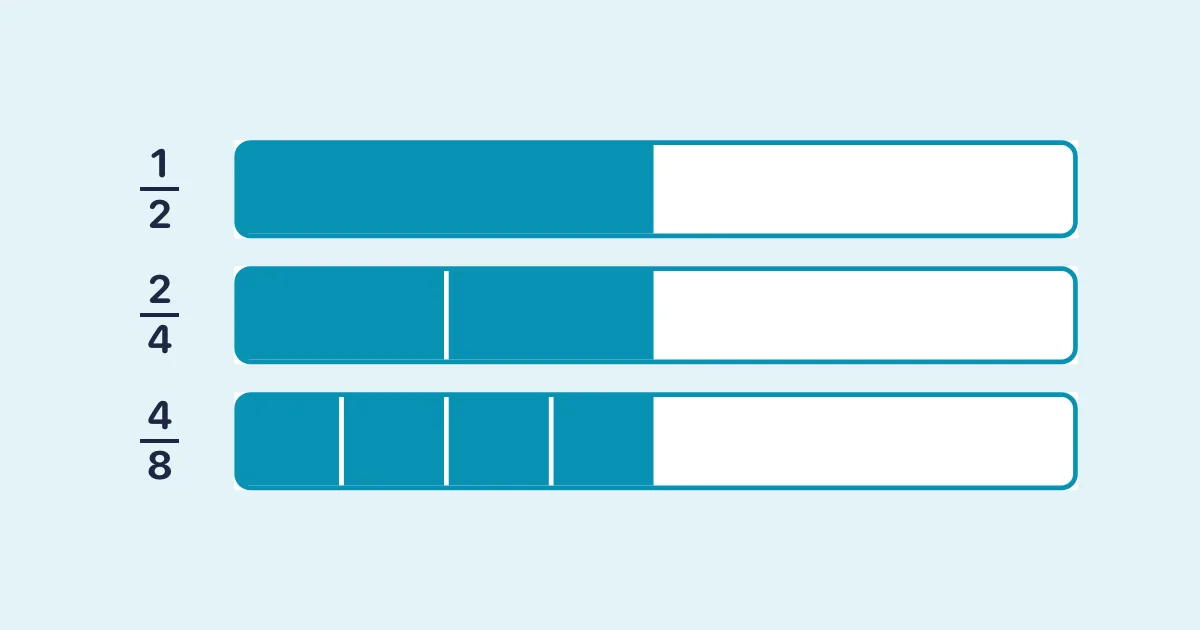
Equivalent fractions: how to find them
What are equivalent fractions and how do you find them? Multiply or divide the top and bottom by the same number. Diagrams, a table and…
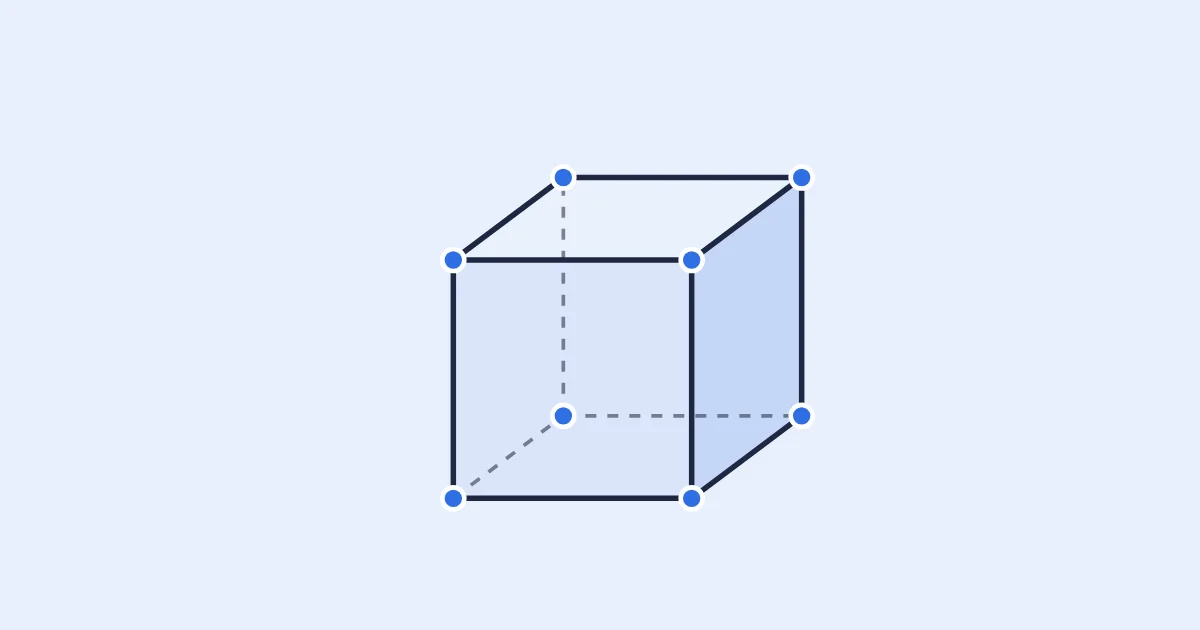 Geometry
Faces, edges and vertices of 3D shapes
What faces, edges and vertices are, and how many a cube, cuboid, pyramid, prism, cylinder, cone and sphere have. A full table and…
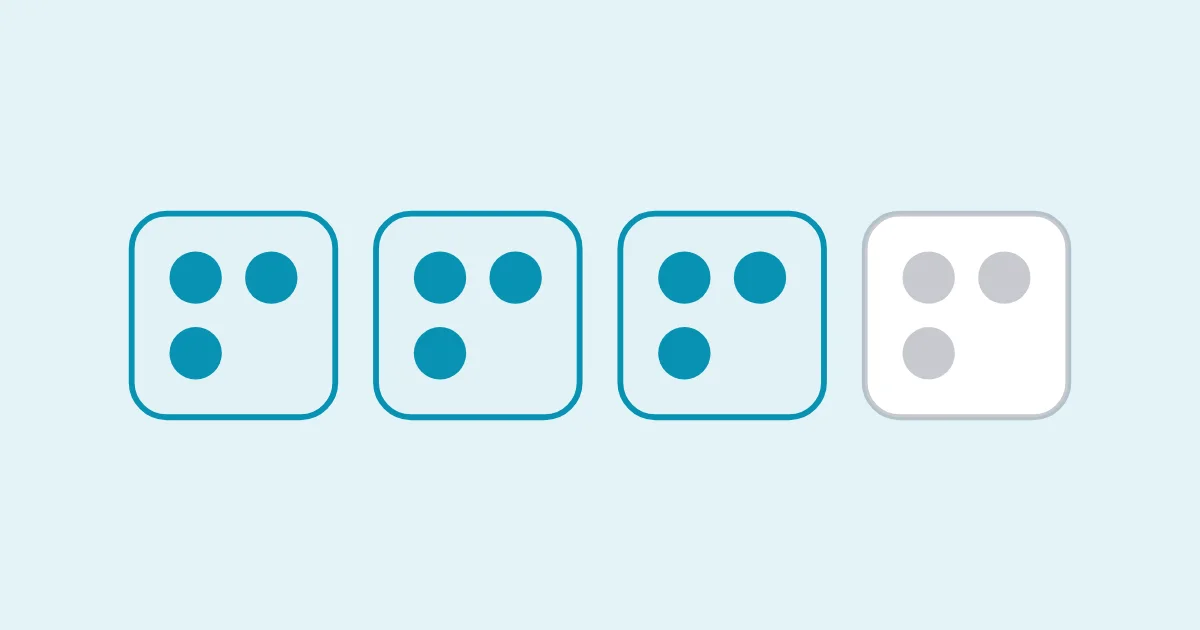 Fractions
 of amounts: how to find 3/4 of 12
How to find a fraction of an amount: divide by the bottom number, multiply by the top. Why it works, the bar model, word problems and…
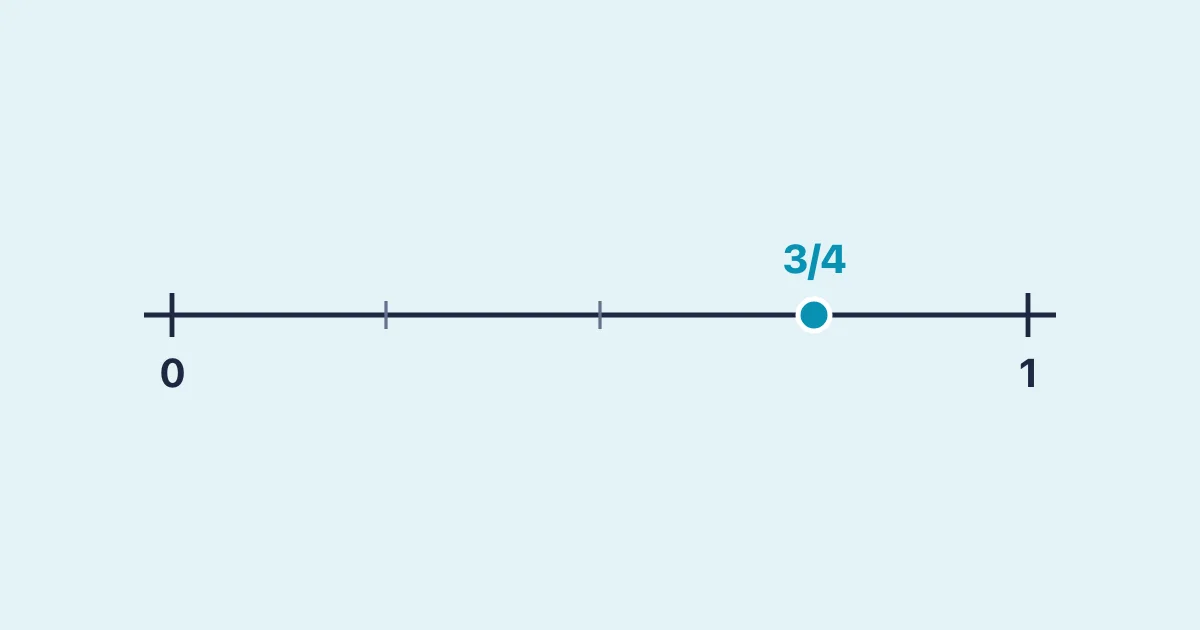 Fractions
How to put fractions on a number line
How to place a fraction on a number line: find the whole, count the equal parts, then count along. Fractions greater than 1, diagrams…
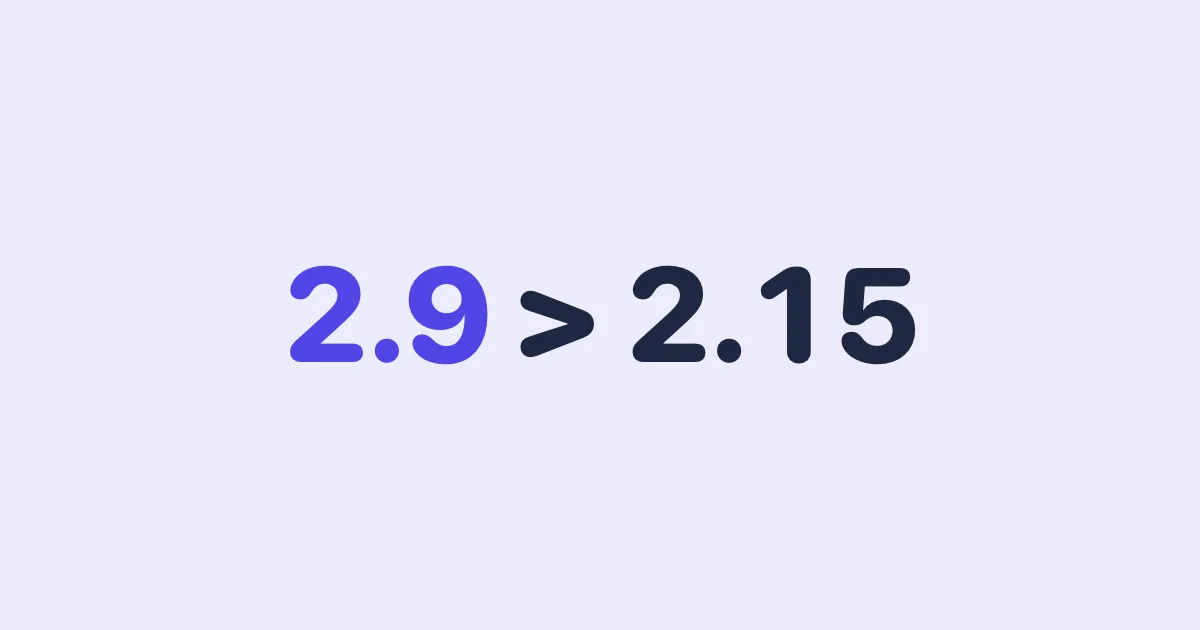 Decimals
How to compare decimals
How to compare two decimals: whole number part first, then tenths, hundredths… The 2.15 vs 2.9 trap, the 'add a zero' trick, diagrams…
 Fractions
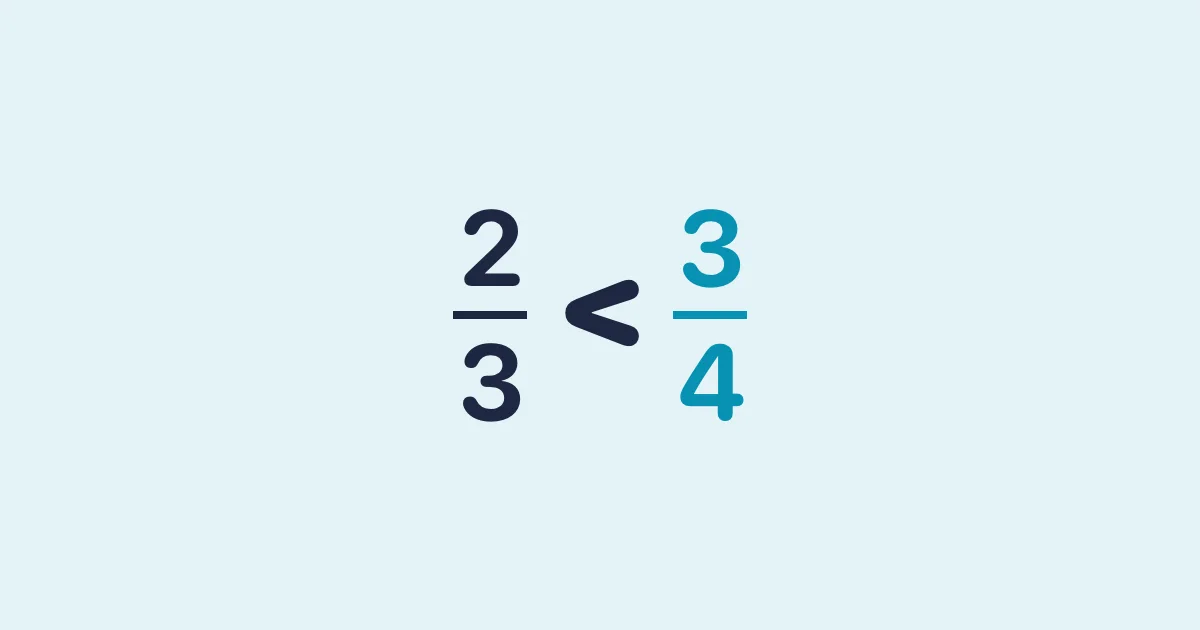
How to compare fractions
How to compare two fractions: same denominator, same numerator, different denominators, or compared with 1. Diagrams, a clear method and…
 Measurement
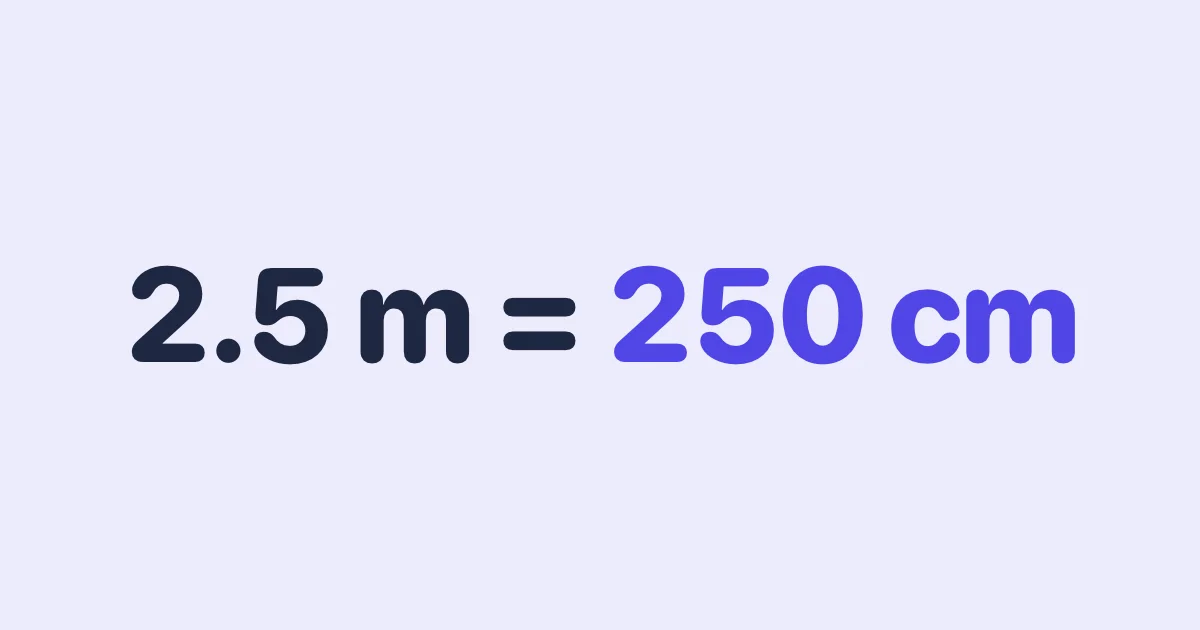
How to convert cm to m (and m to cm)
How to convert cm to m and m to cm: 1 m = 100 cm, the place value chart, moving the digits, plus millimetres and kilometres. With worked…
 Measurement
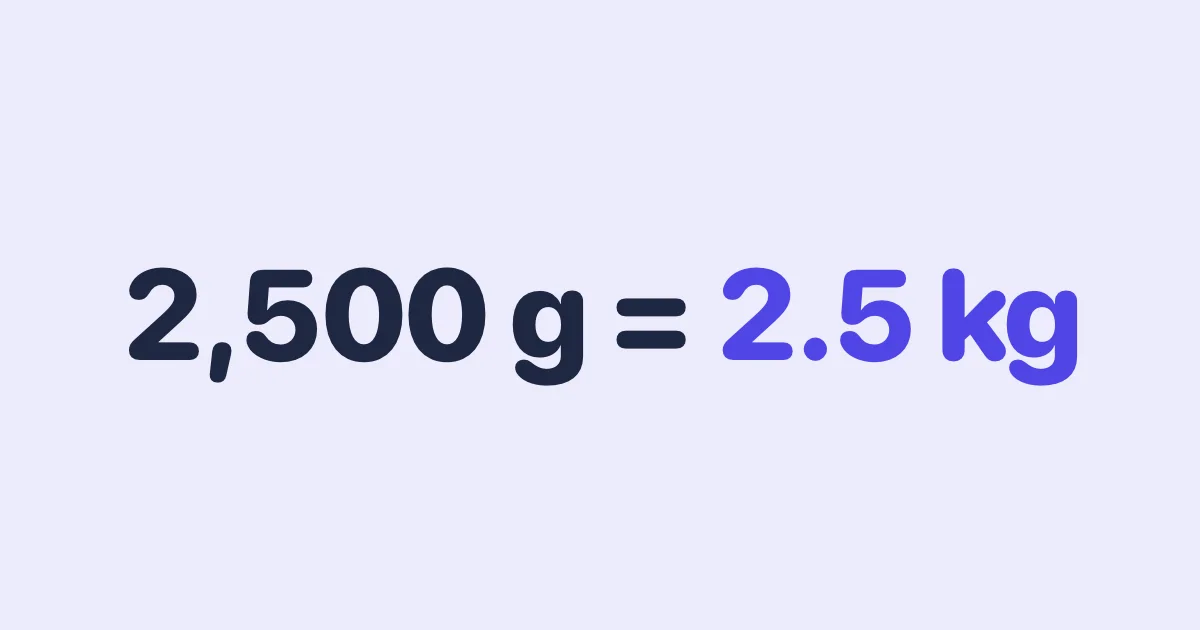
How to convert grams to kilograms
How to convert grams to kilograms and kilograms to grams: 1 kg = 1,000 g, the place value chart method, moving the digits, everyday…
 Measurement
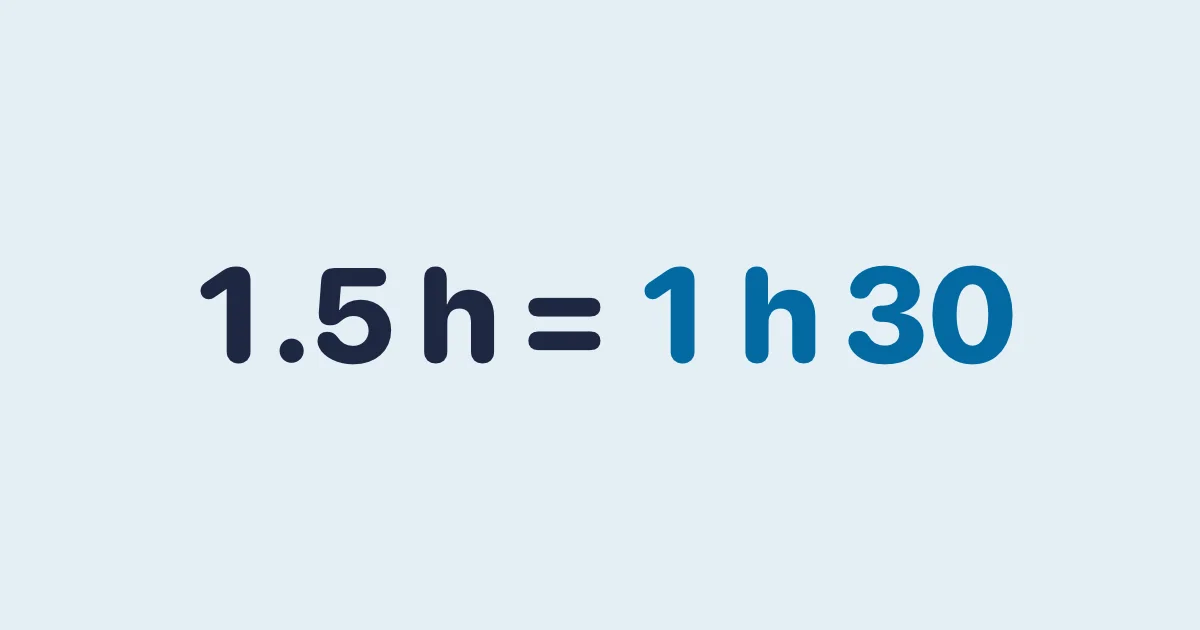
How to convert hours to minutes
How to convert hours to minutes and minutes to hours: 1 hour = 60 minutes, multiplying by 60, dividing with remainders, and the 1.5…
 Measurement
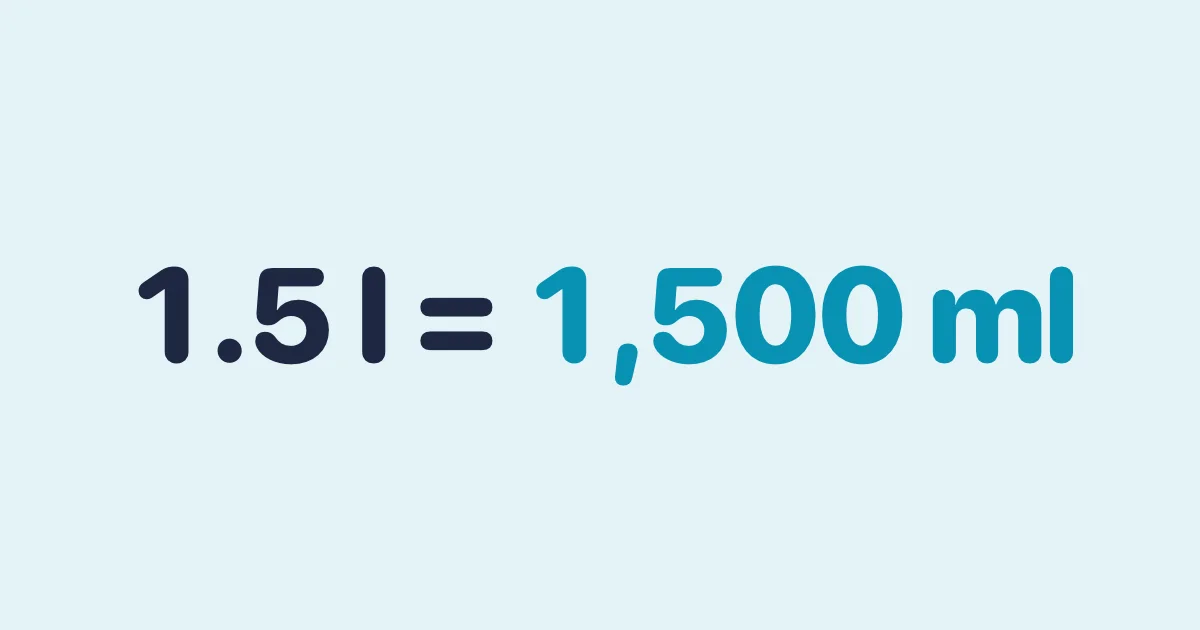
How to convert litres to millilitres
How to convert litres to millilitres and back: 1 litre = 1,000 ml. Everyday examples, the place value chart, moving the digits and…
 Geometry
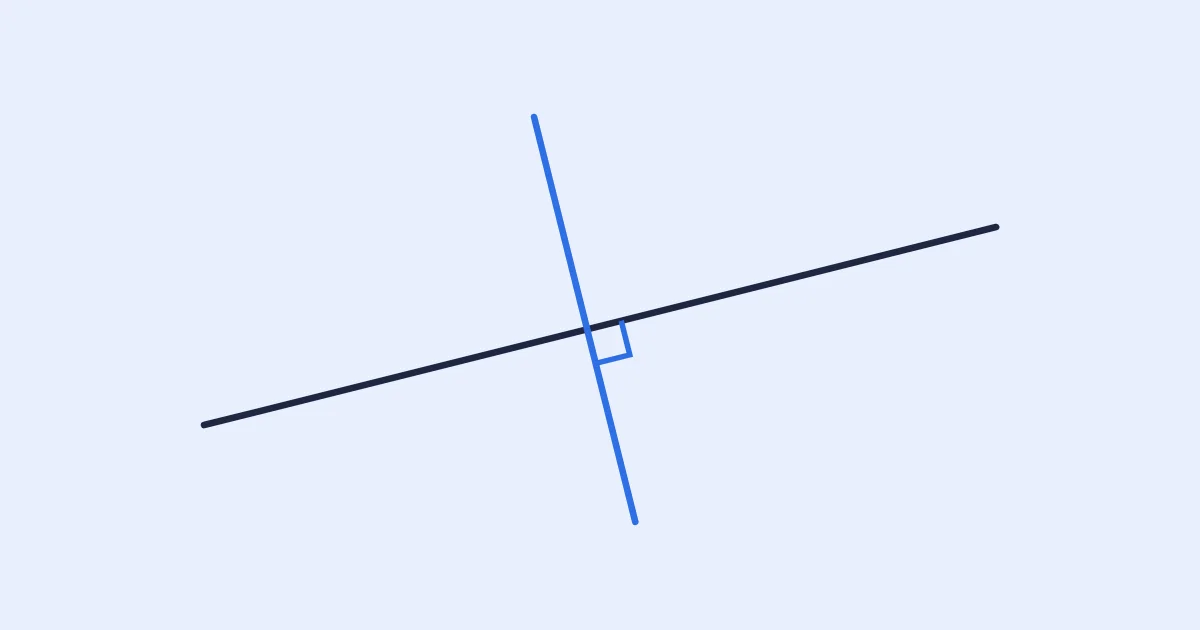
How to draw a perpendicular line
What perpendicular lines are and how to draw one with a set square or a protractor: step by step, through a given point, with tips and…
 Geometry
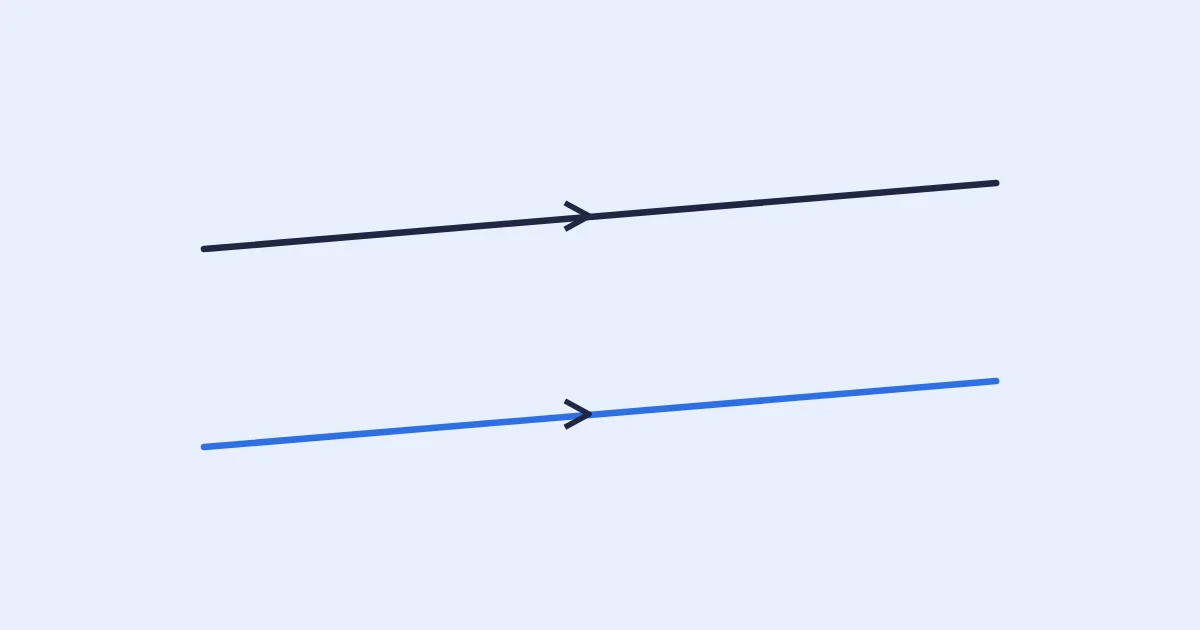
How to draw parallel lines
What parallel lines are and how to draw them accurately with a ruler and set square: the sliding method step by step, how to check,…
 Mental maths
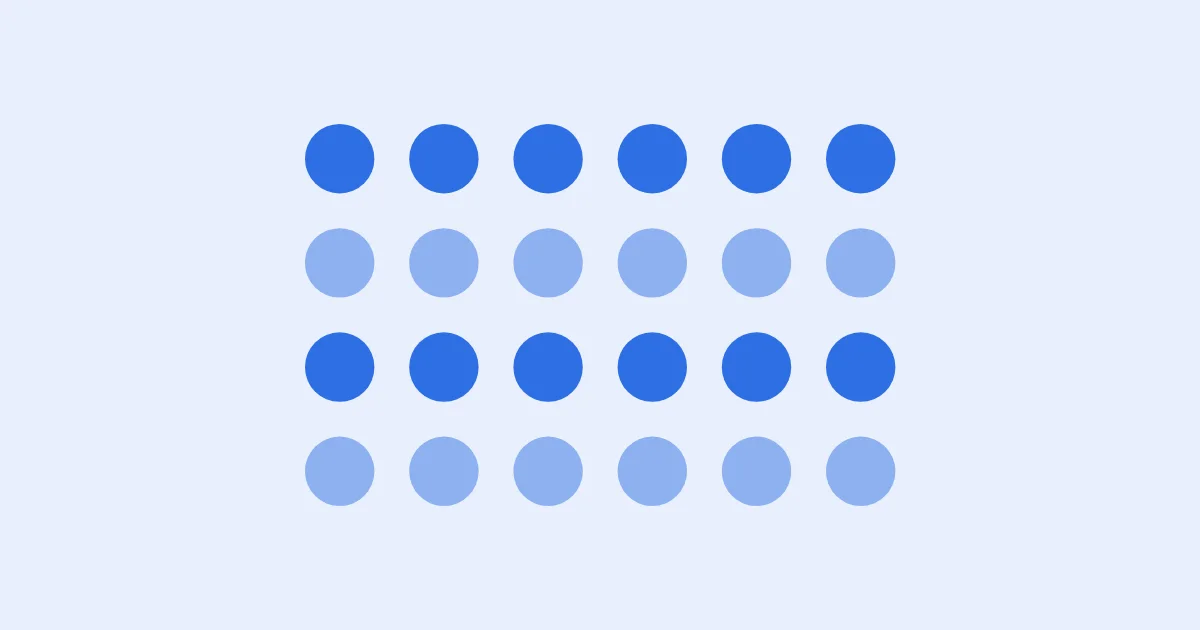
How to explain multiplication to a child
How to explain multiplication to a child: equal groups, repeated addition, arrays, why 4 × 6 = 6 × 4, real-life problems, then the times…
 Mental maths
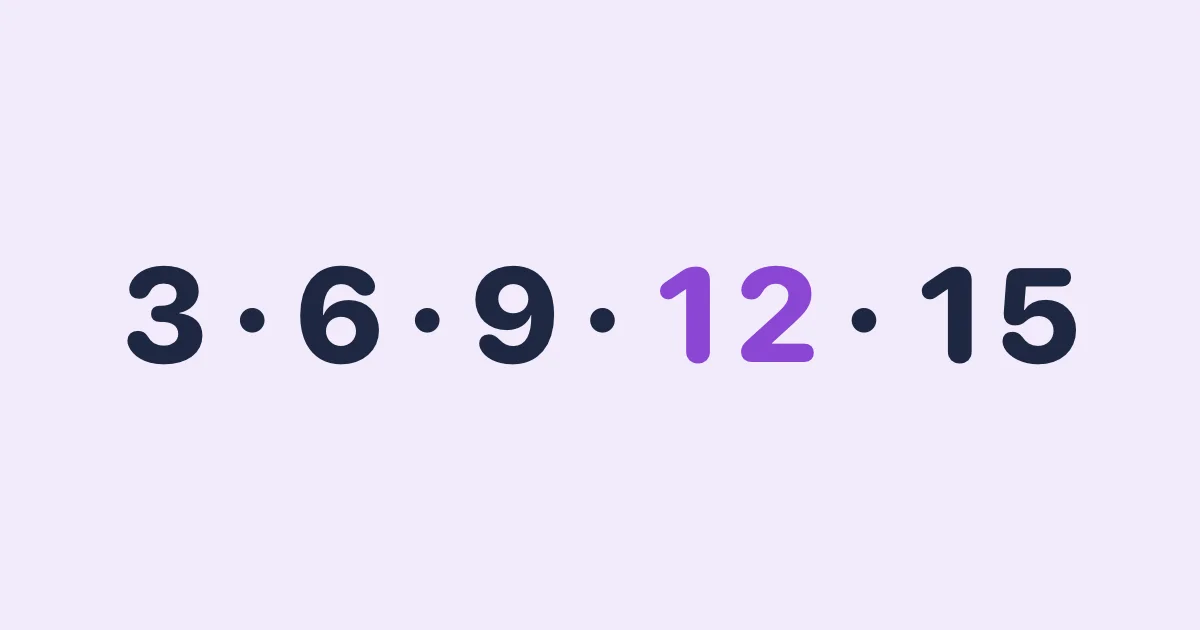
How to find multiples of a number
What multiples are and how to find them: counting on, times tables, checking with division, multiples vs factors and the lowest common…
 Mental maths
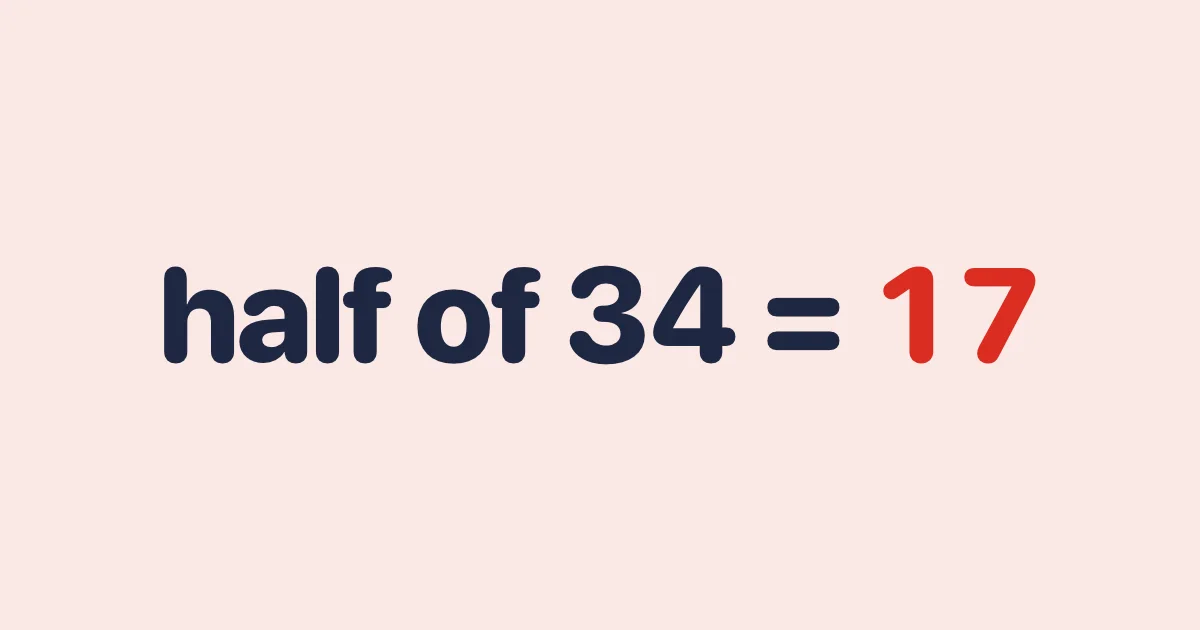
How to halve a number in your head
How to halve a number in your head: halving and doubling, halving tens, splitting into tens and ones, and halving odd numbers. With…
 Mental maths
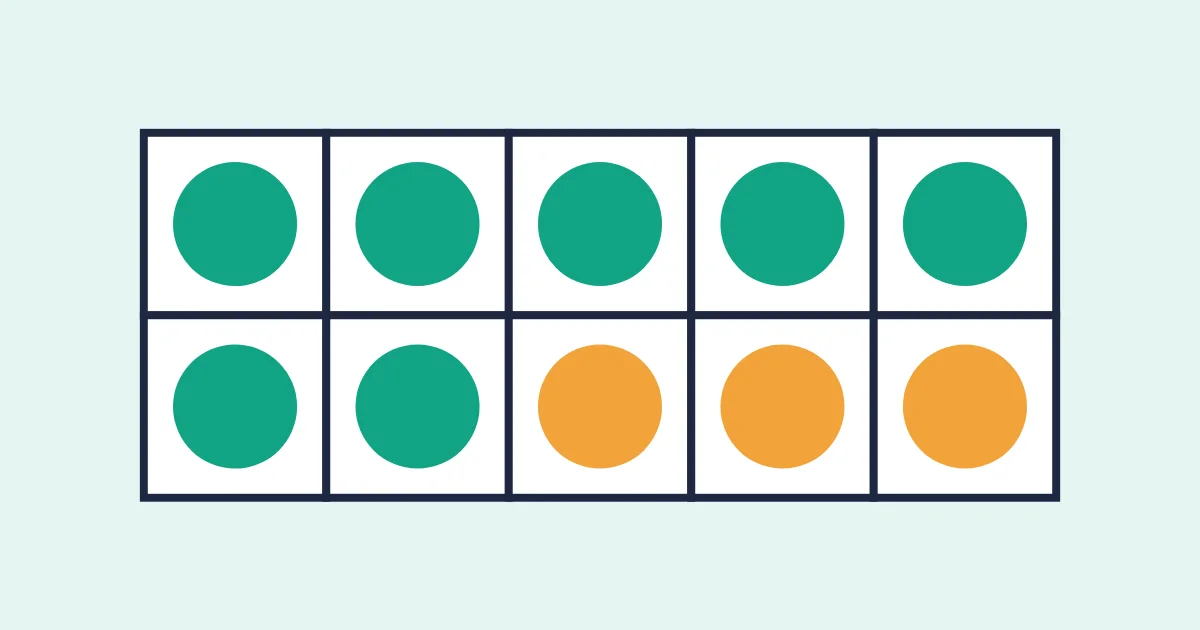
How to learn addition facts the easy way
How to help your child learn addition facts without endless chanting: doubles, number bonds to 10, bridging through 10, the best order…
 Mental maths
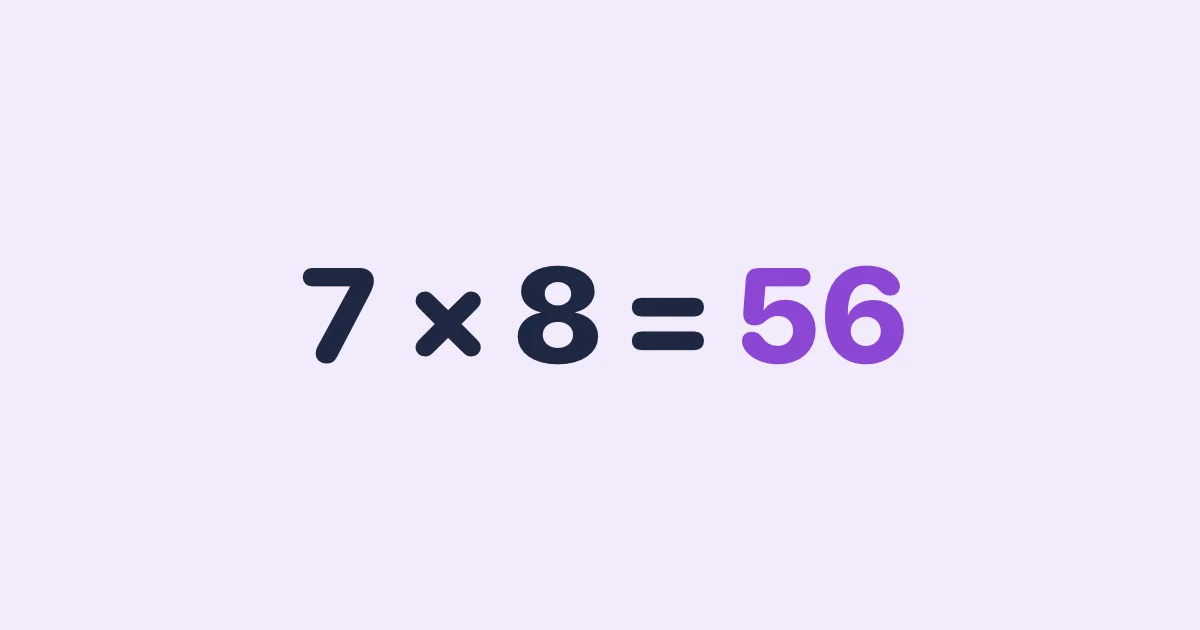
How to learn times tables (without the tears)
How to help your child learn their times tables: the best order, how long to practise, tricks for the 9 and 7 times tables, and the Year…
 Fractions
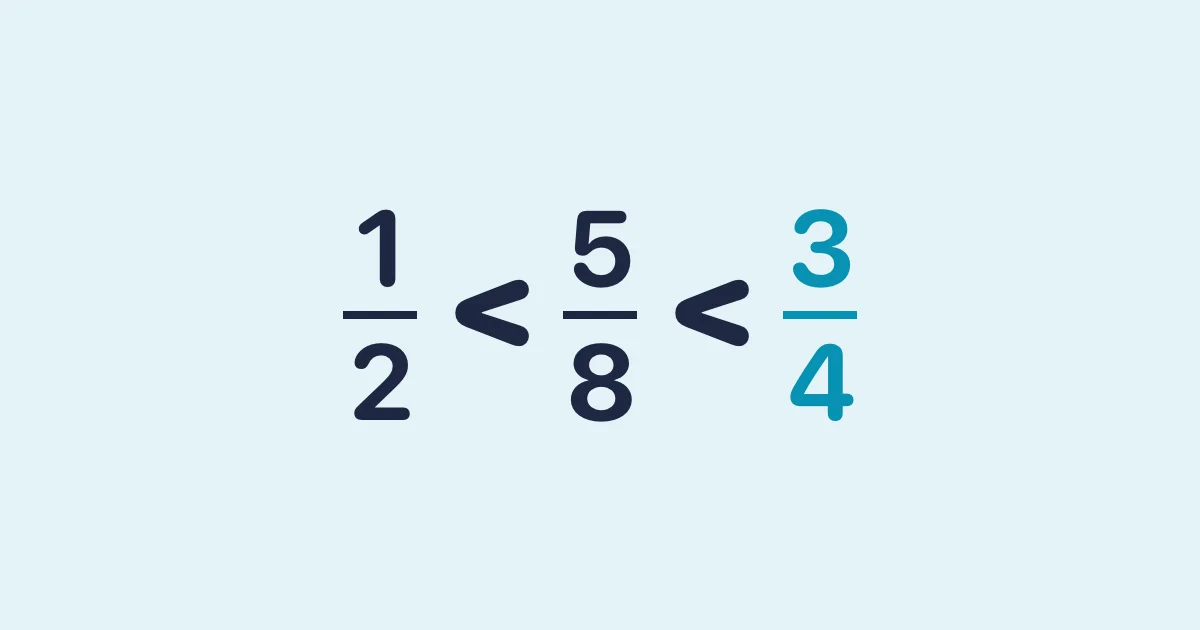
How to order fractions from smallest to largest
How to put fractions in order, from smallest to largest (ascending) or largest to smallest (descending): a 3-step method, the number…
 Measurement
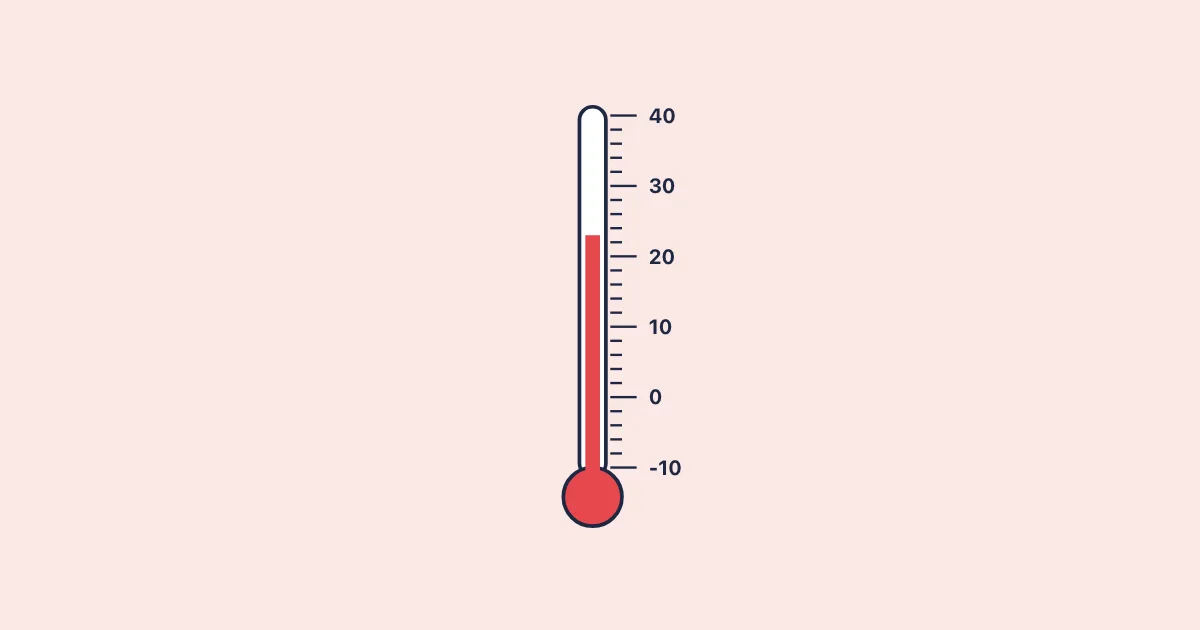
How to read a thermometer
How to read a thermometer: work out what each mark is worth, read temperatures below zero, degrees Celsius, everyday benchmarks and…
 Place value
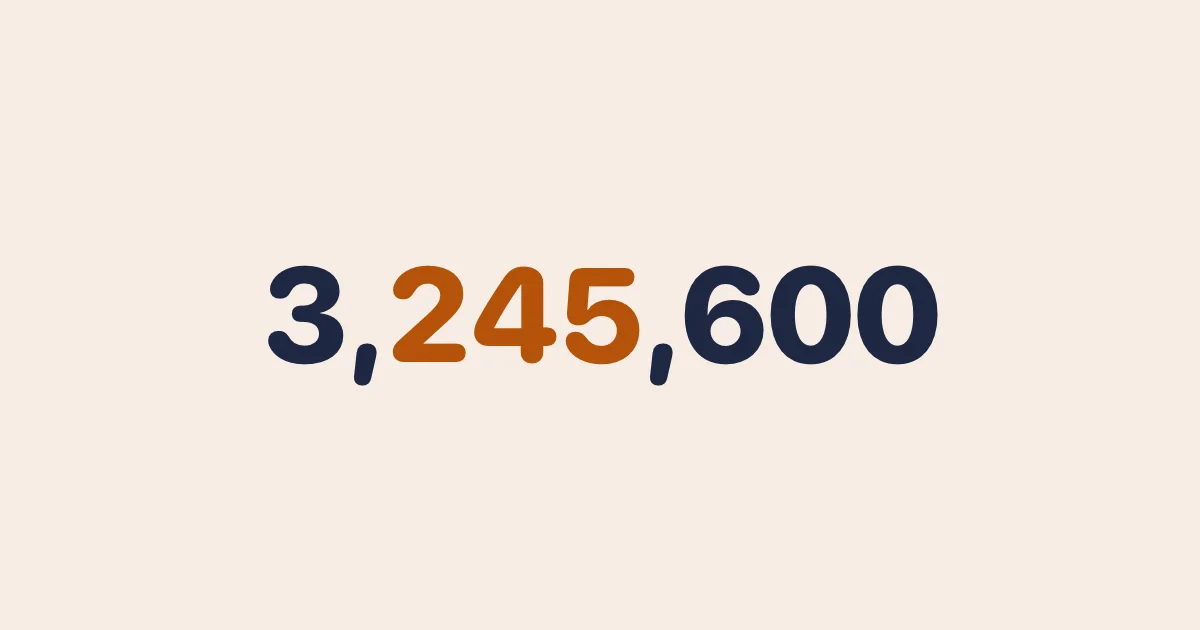
How to read large numbers
How to read and write large numbers: split them into groups of three with commas, read each group with its name (million, thousand),…
 Decimals
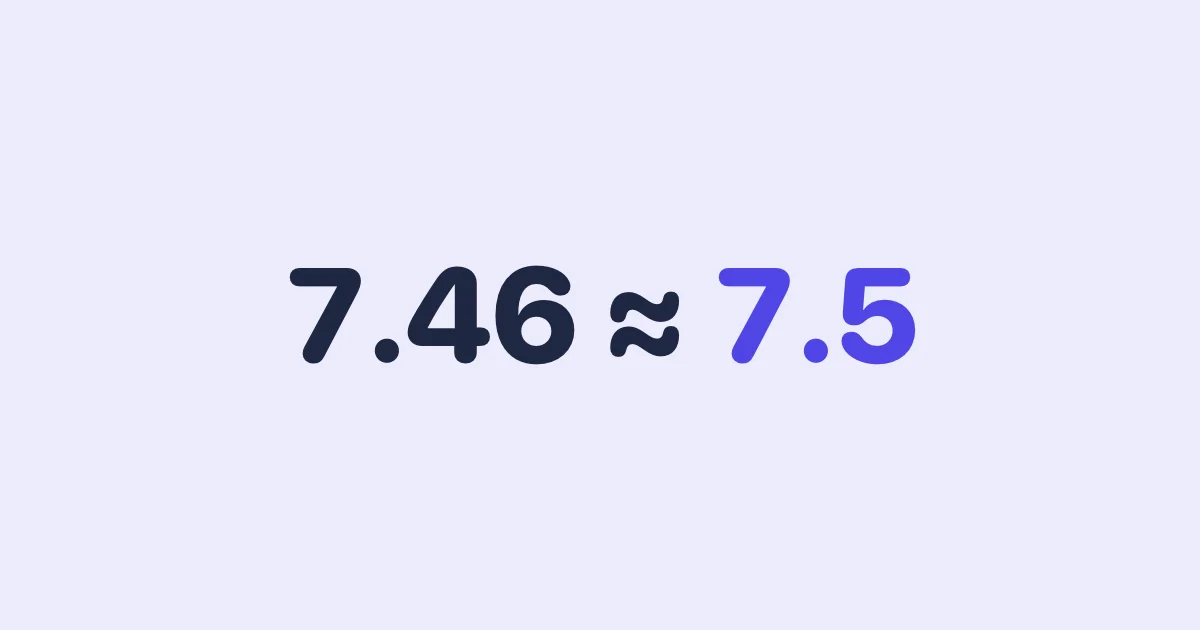
How to round decimals
How to round decimals to the nearest whole number, tenth or hundredth: the 'look at the next digit' rule, the number line, the tricky…
 Place value
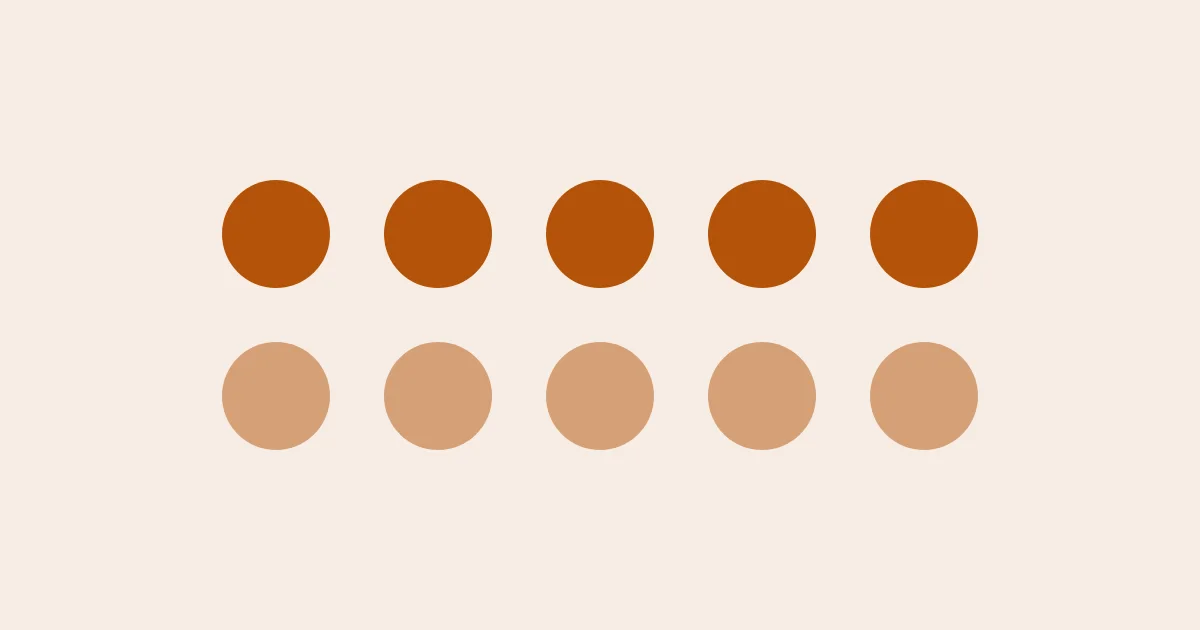
How to teach a child to count
How to teach a young child to count: why reciting isn't counting, one-to-one counting, small amounts at a glance, going past 10, games…
 Geometry
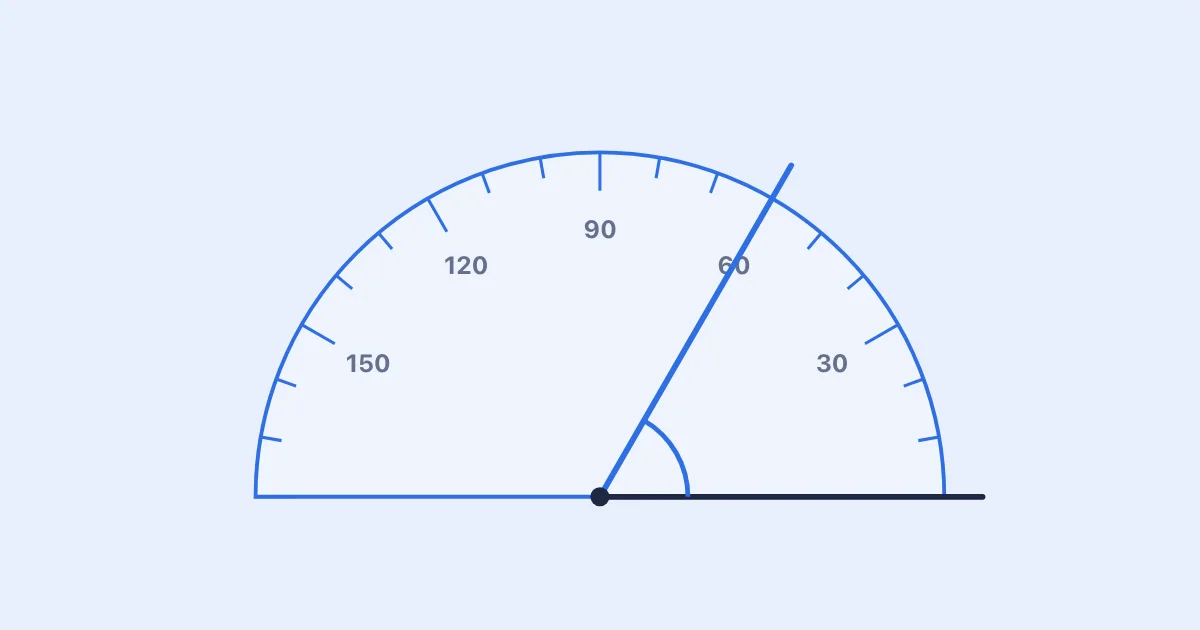
How to use a protractor to measure angles
How to use a protractor: centre on the vertex, zero on one arm, choose the right scale. Types of angles, drawing an angle and the common…
 Fractions
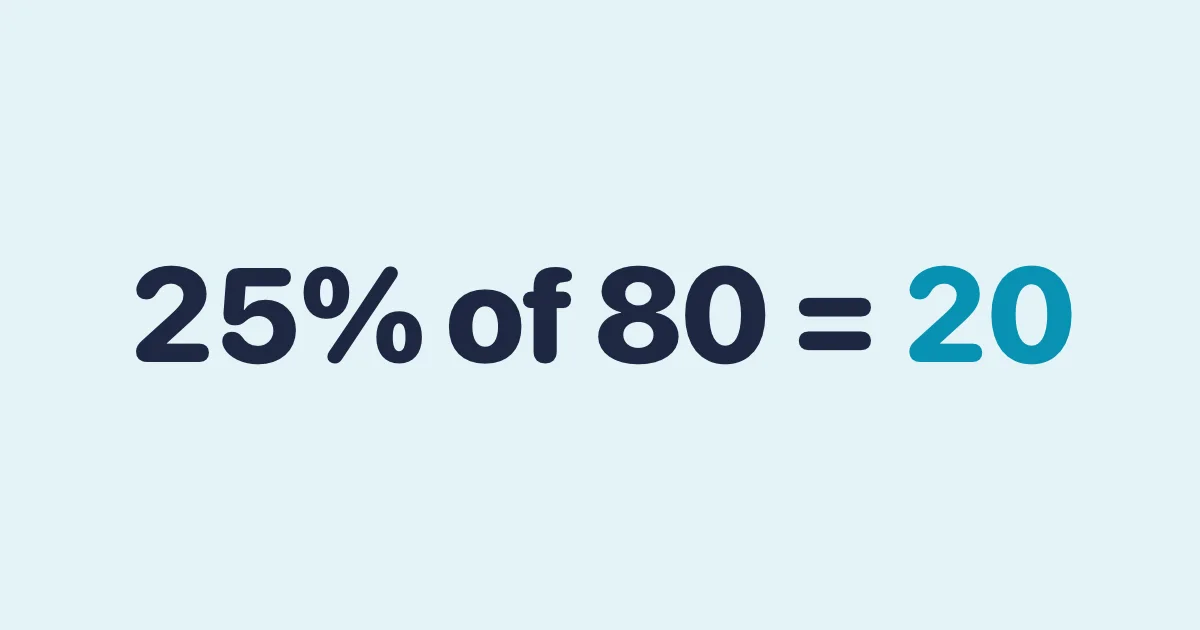
How to work out percentages
How to work out percentages in your head: what 'per cent' means, finding 50%, 25%, 10% and 1%, building any percentage from them, and…
 Geometry
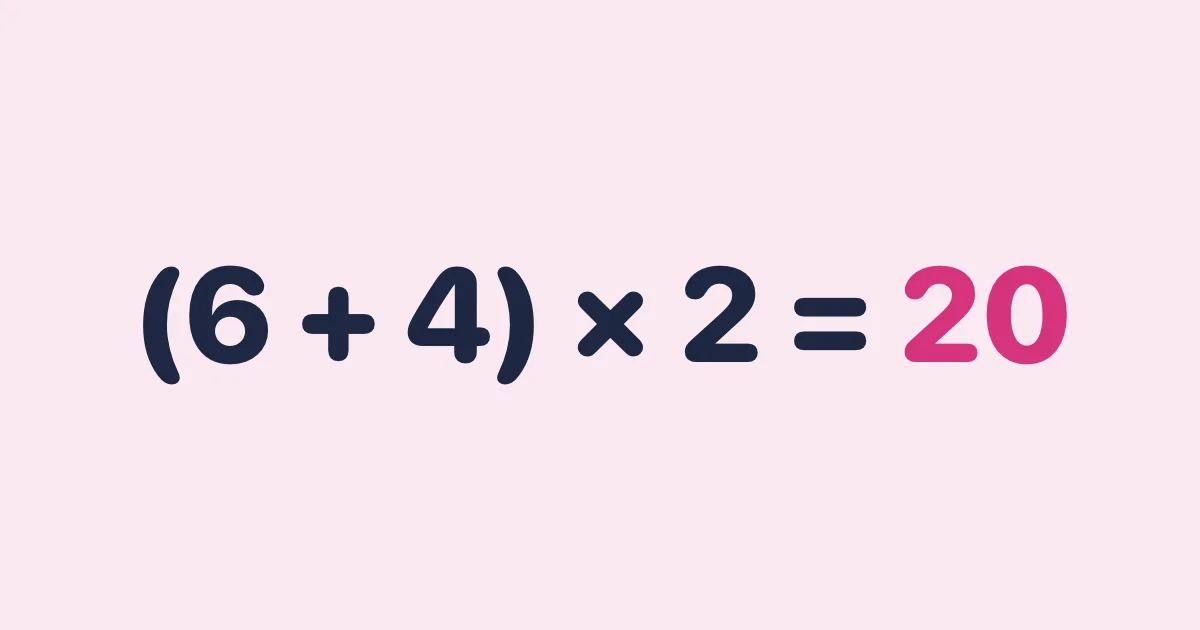
How to work out the perimeter of a rectangle
How to work out perimeter: add up the sides, or (length + width) × 2 for a rectangle. Squares, missing sides, perimeter vs area, worked…
 Place value
How to write numbers in words
How to write numbers in words in British English: tricky spellings, hyphens from 21 to 99, where 'and' goes, hundred with no s, and…
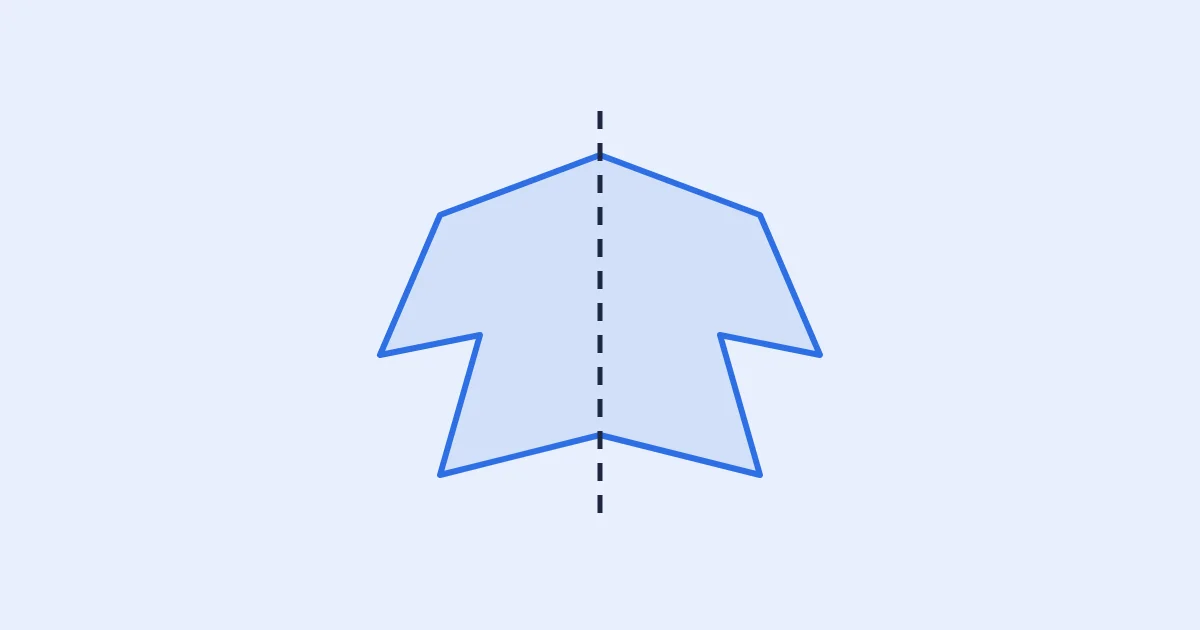 Geometry
Lines of symmetry: how to find them
How to find lines of symmetry: the folding and mirror tests, how many lines squares, rectangles, triangles and circles have, and…
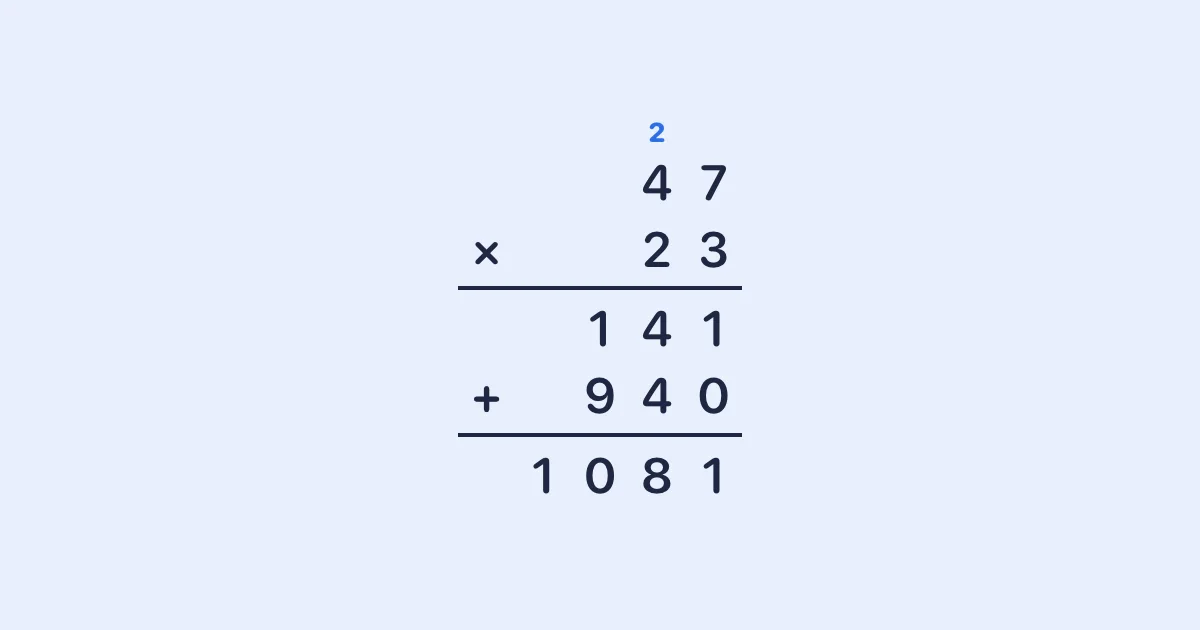 Written methods
How to do long multiplication
How to do long multiplication (2-digit by 2-digit): two rows, the placeholder zero, carrying and the final addition. With a checking…
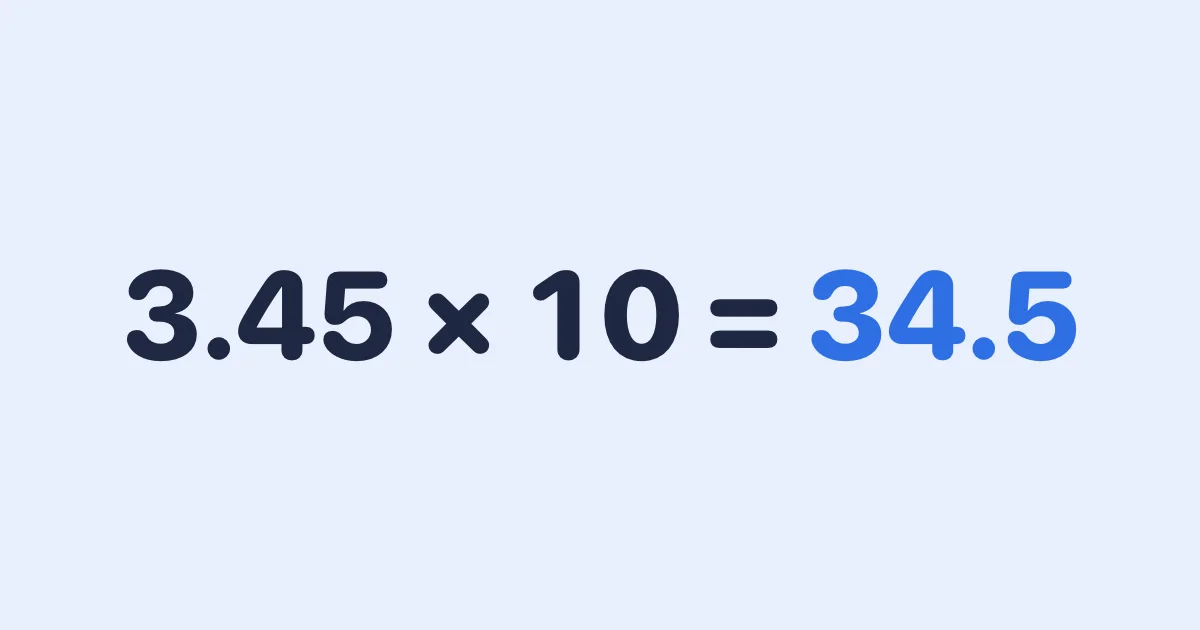 Mental maths
Multiplying by 10, 100 and 1,000
How to multiply whole numbers and decimals by 10, 100 and 1,000: why the digits move, why 'add a zero' fails for decimals, and dividing.…
 Decimals
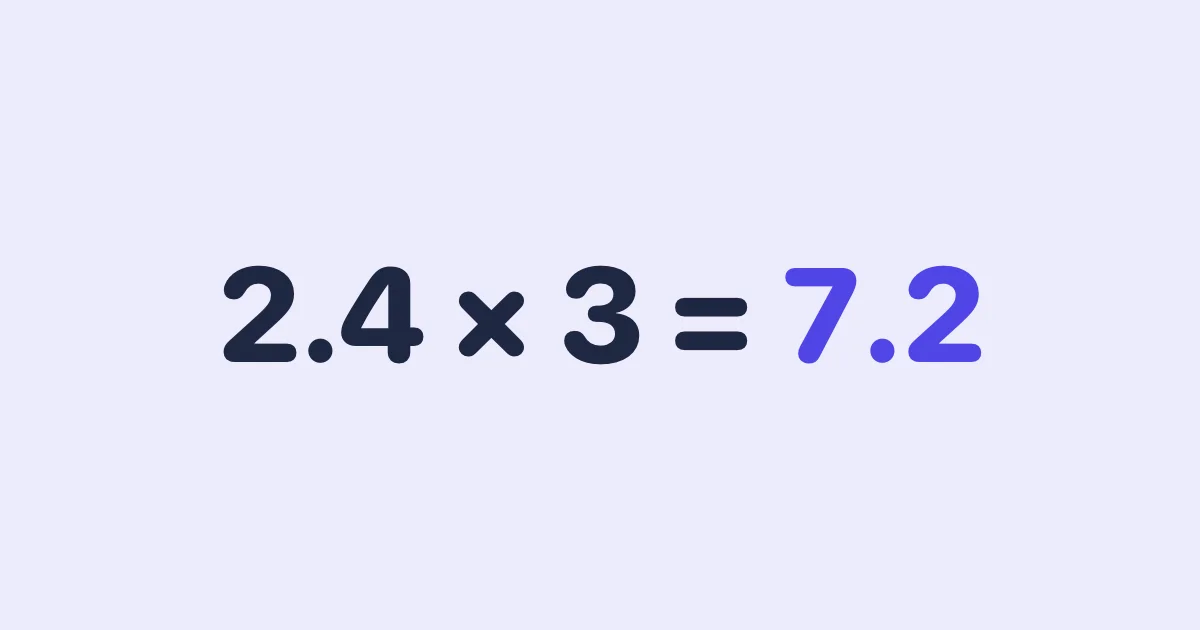
Multiplying decimals: where does the point go?
How to multiply decimals: multiply without the decimal points, then count the decimal places to place the point. Step by step, with checks.
 Geometry
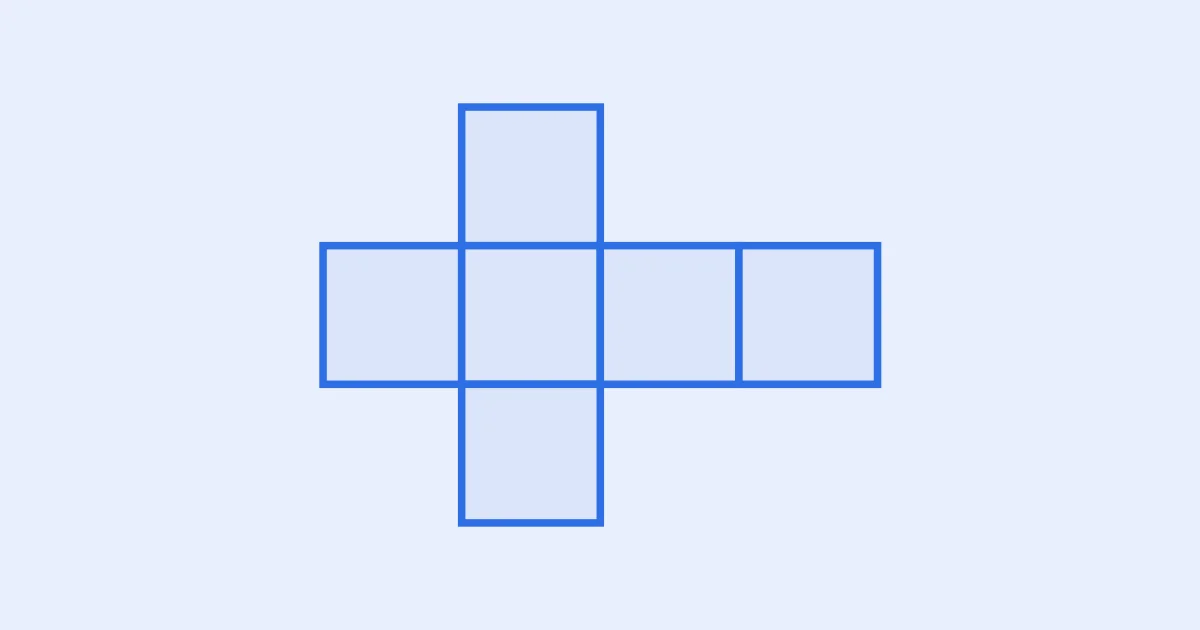
Nets of a cube: the 11 nets and how to spot them
What a net of a cube is, the 11 different nets, how to tell whether a shape of 6 squares folds into a cube, and which ones don't work.
 Mental maths
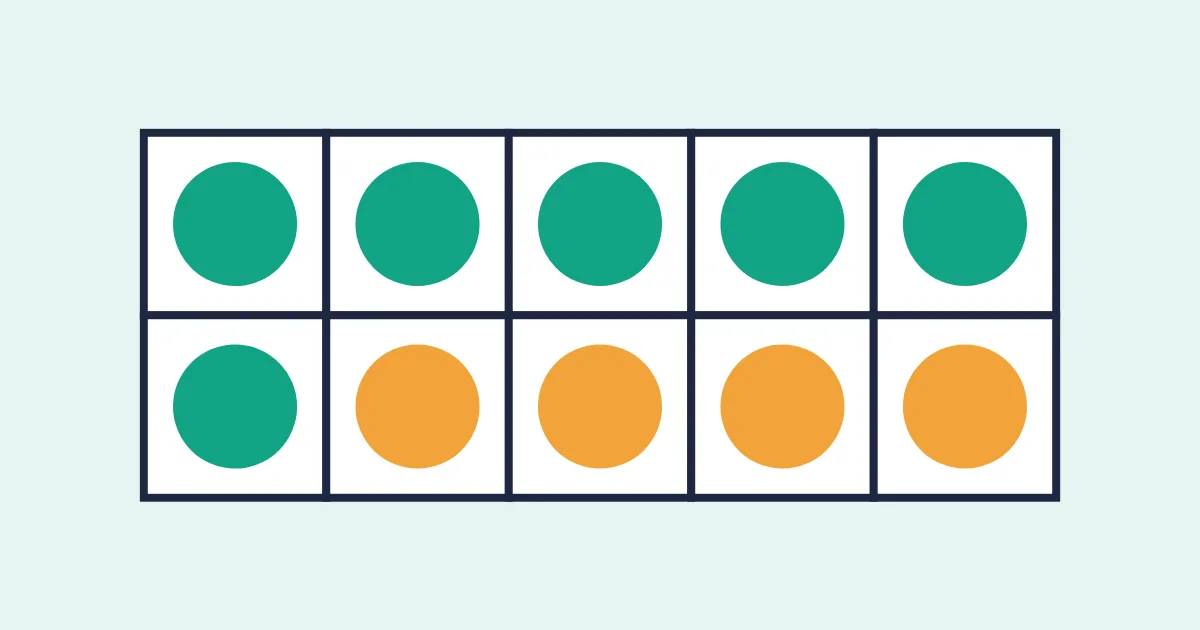
Number bonds to 10: how to learn them
Number bonds to 10 (1 + 9, 2 + 8, 3 + 7…): why they matter, how to learn them with fingers and ten frames, what they're used for, and…
 Place value
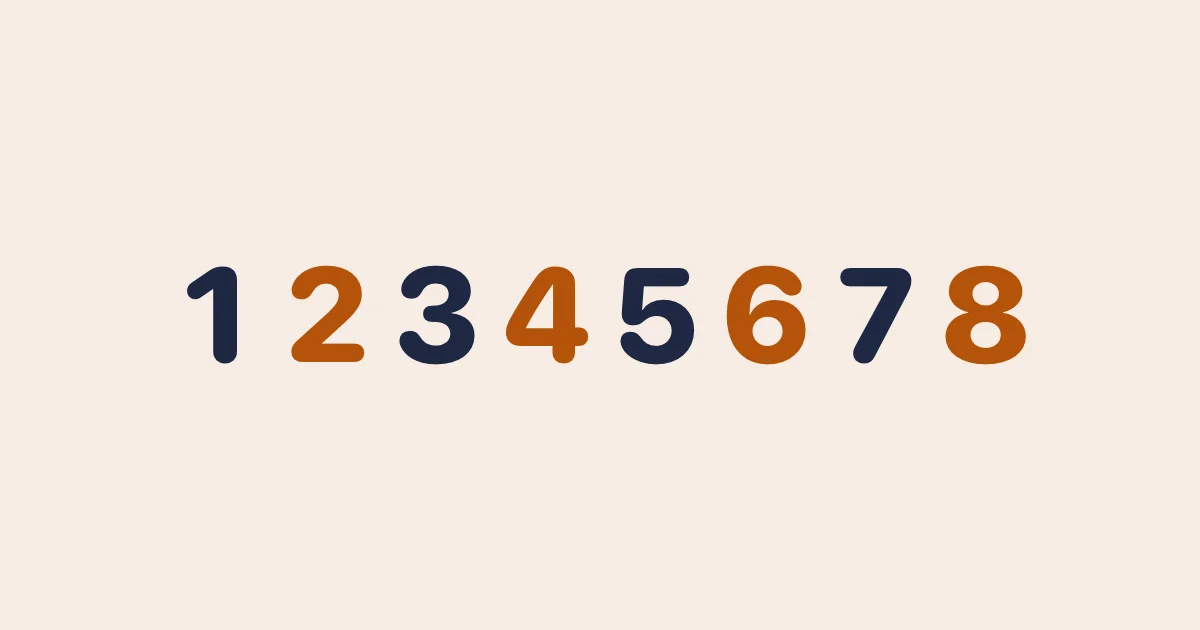
How to tell if a number is odd or even
How to tell if a number is odd or even: just look at the last digit. Why it works, how to explain it with pairs, and the odd and even…
 Place value
Partitioning numbers into hundreds, tens and ones
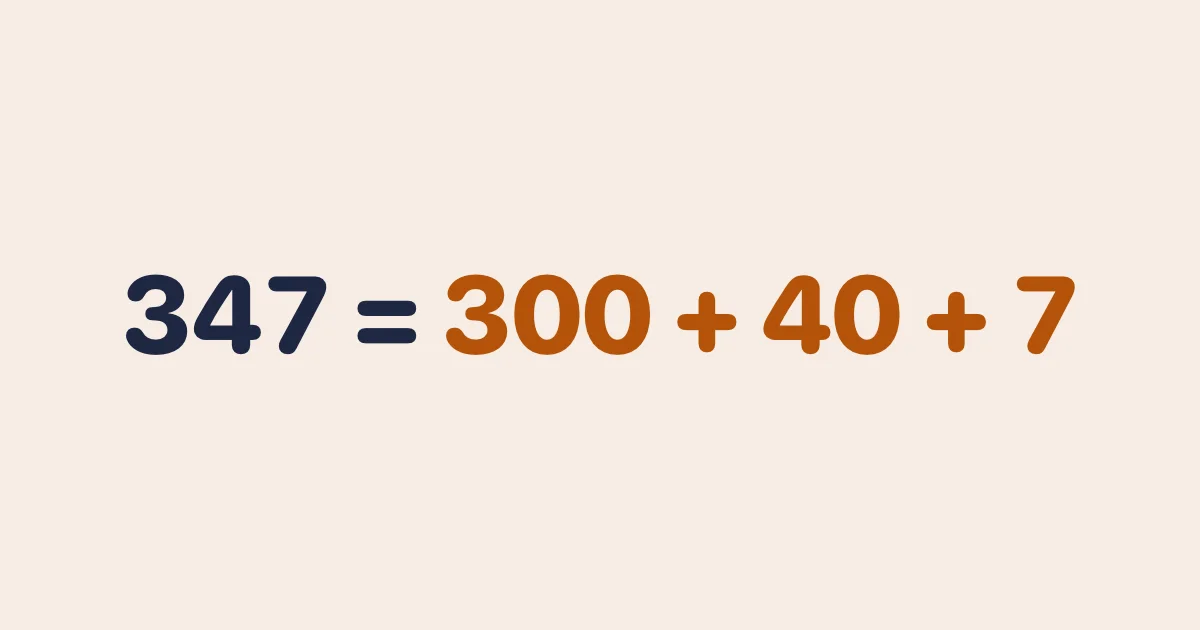
How to partition numbers into hundreds, tens and ones: 347 = 300 + 40 + 7. Different ways to partition, the place value chart, zeros and…
 Place value
Tens and ones: how to explain place value
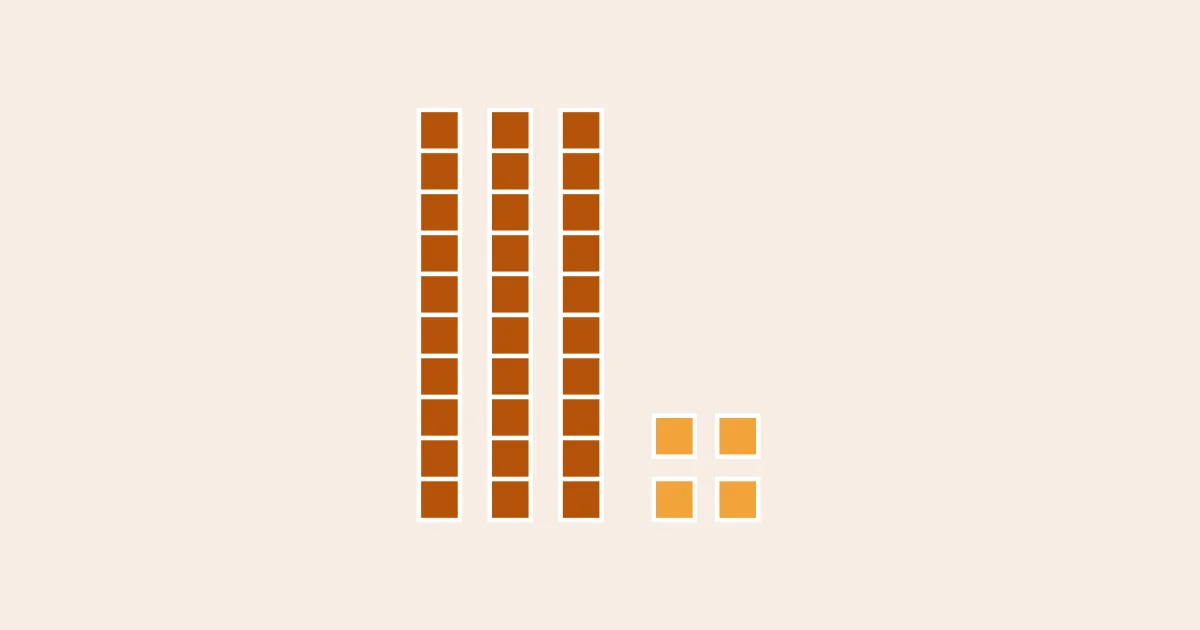
How to explain tens and ones (place value) to a young child: groups of ten, base ten equipment, the place value chart, zero and the…
 Geometry
Types of triangles: equilateral, isosceles, scalene
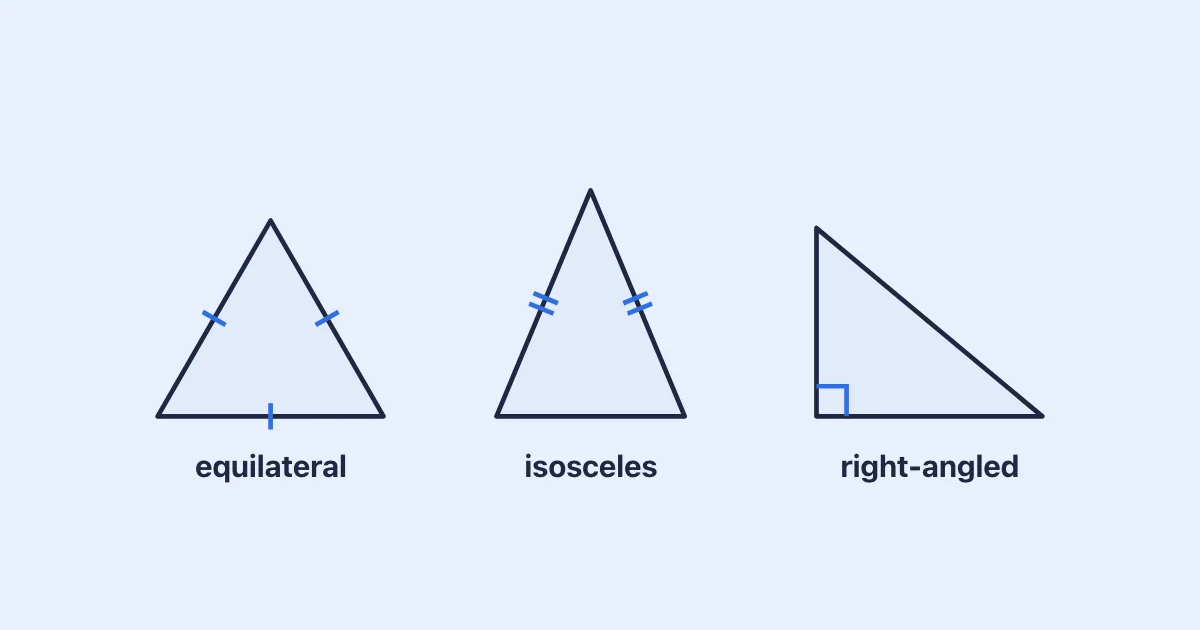
Types of triangles explained for children: equilateral, isosceles, scalene and right-angled. Recognising them by sides and angles, the…
Where is your child at?
The EasyMaths assessment is free: in 20 minutes, it checks the whole year’s curriculum and shows you exactly what to work on.
Take the free assessment →