Why do we need to exchange?
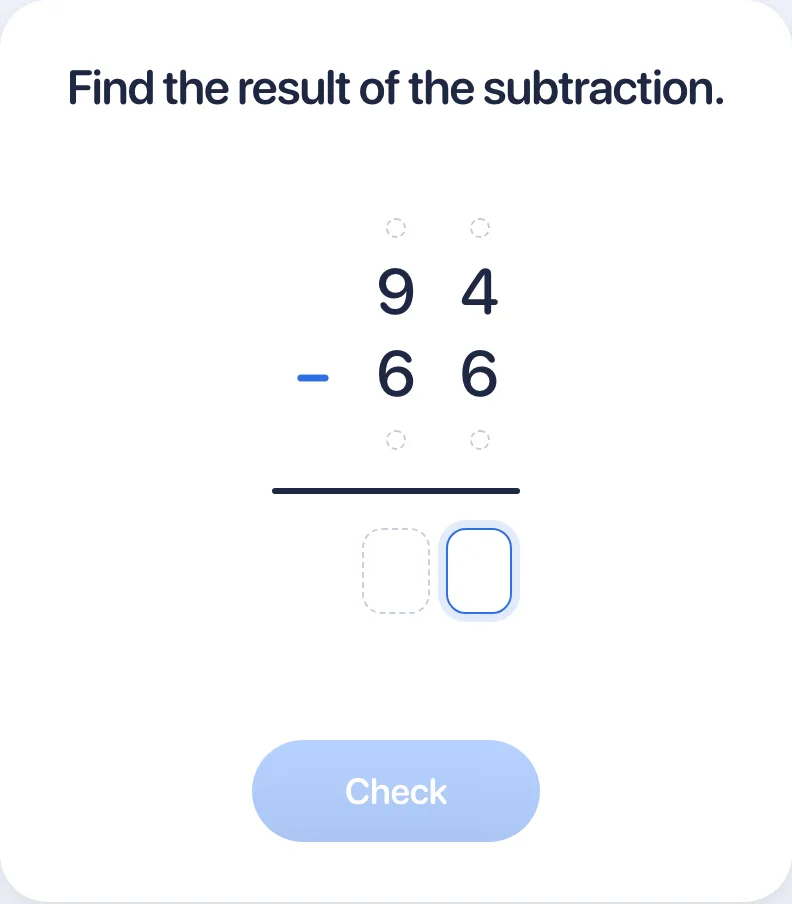
Take 52 − 27. We always start with the ones: 2 − 7… you can't take 7 away from 2. You need more ones, so you get them from the tens.
Before anything else, your child needs to be comfortable with one idea: 52 is 5 tens and 2 ones, but it's also 4 tens and 12 ones. If that isn't clear yet, go back to place value (tens and ones) with objects.
The method, step by step
- Ones: 2 − 7, not possible. Exchange one ten: the 5 tens become 4, and the 2 ones become 12.
- 12 − 7 = 5. Write 5 in the ones column.
- Tens: 4 − 2 = 2. Write 2 in the tens column.
Answer: 52 − 27 = 25. In school books, you'll usually see the 5 crossed out with a small 4 above it, and a small 1 written next to the 2.
Why it works: show it with base ten
Exchanging is much easier to understand with base ten equipment (or coins):
- 52 is 5 rods of ten and 2 single cubes.
- You can't take 7 cubes from 2, so you swap one rod for 10 cubes.
- Now you have 4 rods and 12 cubes: take away 7 cubes and 2 rods.
- 2 rods and 5 cubes are left: 25.
The written method is just a record of this swap.
The tricky case: zeros (403 − 157)
Ones: 3 − 7 isn't possible, but you can't exchange from the tens: there are none! So go to the hundreds:
- Exchange one hundred: the 4 becomes 3, and the tens become 10.
- Now exchange one ten: the tens become 9, and the ones become 13.
- 13 − 7 = 6, 9 − 5 = 4, 3 − 1 = 2.
Answer: 403 − 157 = 246.
A note for parents: "it's not how I learned it!"
Some parents learned a different method, sometimes called equal addition or "pay back": instead of taking one ten from the top, you add ten to the top digit and one ten to the bottom number. It gives the same answer, but schools in England teach exchanging, because it can be shown with base ten equipment. To avoid confusion, use the method your child's school uses: have a look in their exercise book.
How to explain it to your child
- Start without writing: with £10 notes and £1 coins, pay £27 when you have £52 (five £10 notes and two £1 coins). You'll need to change a £10 note into ten £1 coins: that's exactly exchanging.
- Talk through every column: "2 take away 7, I can't, so I exchange a ten…".
- Write the small exchanged digits clearly, in a different colour at first.
- Always check with addition: it builds confidence and catches most mistakes.
The most common mistakes
- Taking the smaller digit from the bigger one in each column: for 52 − 27, working out 7 − 2 = 5 in the ones and 5 − 2 = 3 in the tens, giving 35. This is the most common mistake of all!
- Forgetting to reduce the tens after exchanging.
- Getting stuck on zeros (403 − 157).
- Lining the numbers up badly: ones must be under ones.
Worked examples
63 − 28
81 − 47
524 − 168
700 − 254
Frequently asked questions
Is exchanging the same as borrowing?
Yes. Exchanging, borrowing and regrouping all describe the same step: swapping one ten for ten ones (or one hundred for ten tens) so you have enough to subtract. Schools in England usually say "exchanging".
When do children learn column subtraction with exchanging?
In England, column subtraction is introduced in Year 3, with exchanging, and extended to four-digit numbers in Year 4.
How do you check a subtraction?
With addition: the answer plus the number you took away should give the number you started with. For 52 − 27 = 25, check that 25 + 27 = 52.
Keep reading: our lesson Column subtraction and the opposite operation, Column addition.
Find out where your child stands in 20 minutes
The EasyMaths assessment is free: around thirty varied questions covering the whole year’s curriculum, with clear results skill by skill and the exercises to work on next.
Take the free assessment →In the curriculum: Grade 2 (Year 2) · Grade 3 (Year 3) · Grade 4 (Year 4)
Keep reading
 Written methods
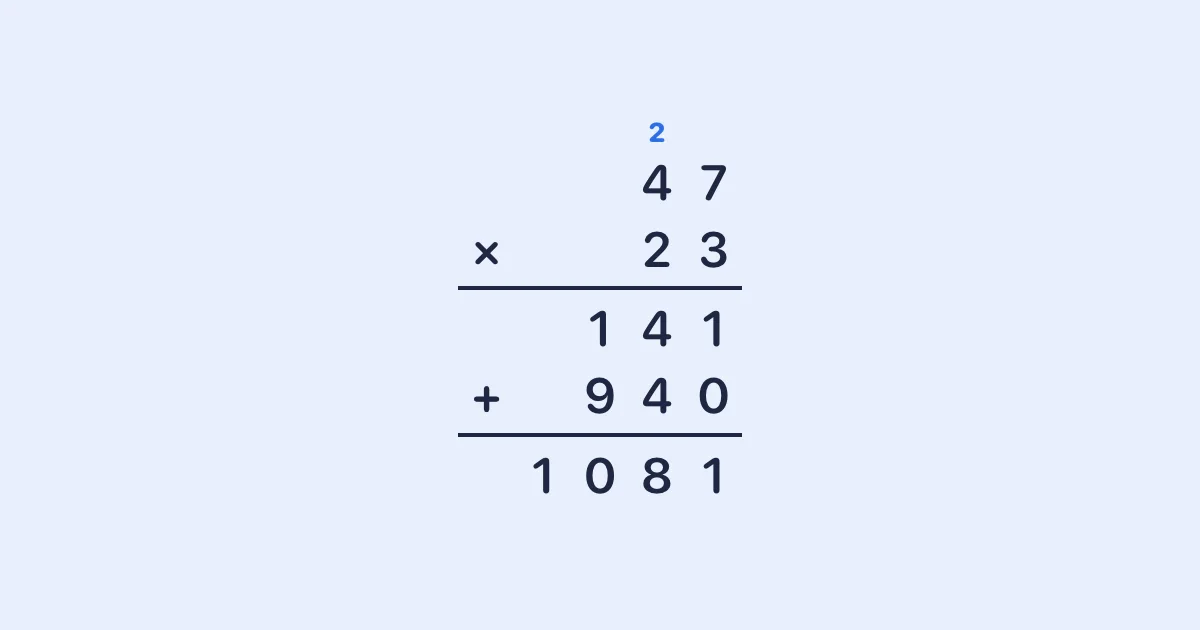
How to do long multiplication
How to do long multiplication (2-digit by 2-digit): two rows, the placeholder zero, carrying and the final addition. With a checking…
 Written methods
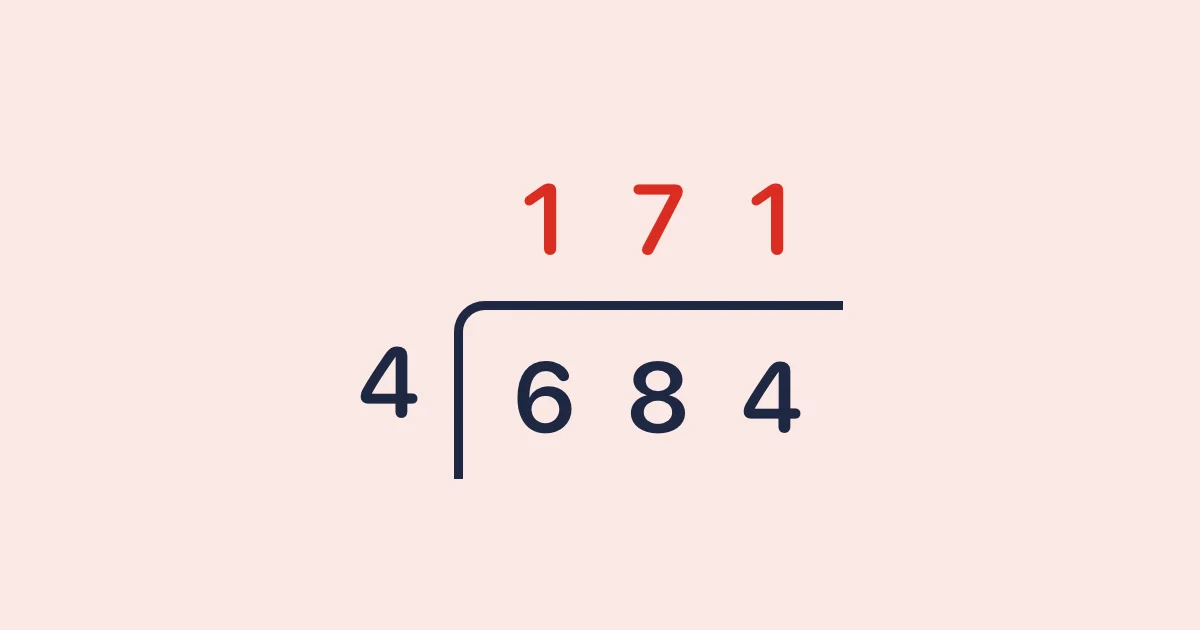
The bus stop method: how to teach division
How to teach the bus stop method (short division): what dividing means, the layout, carrying remainders, worked examples and the most…
 Decimals
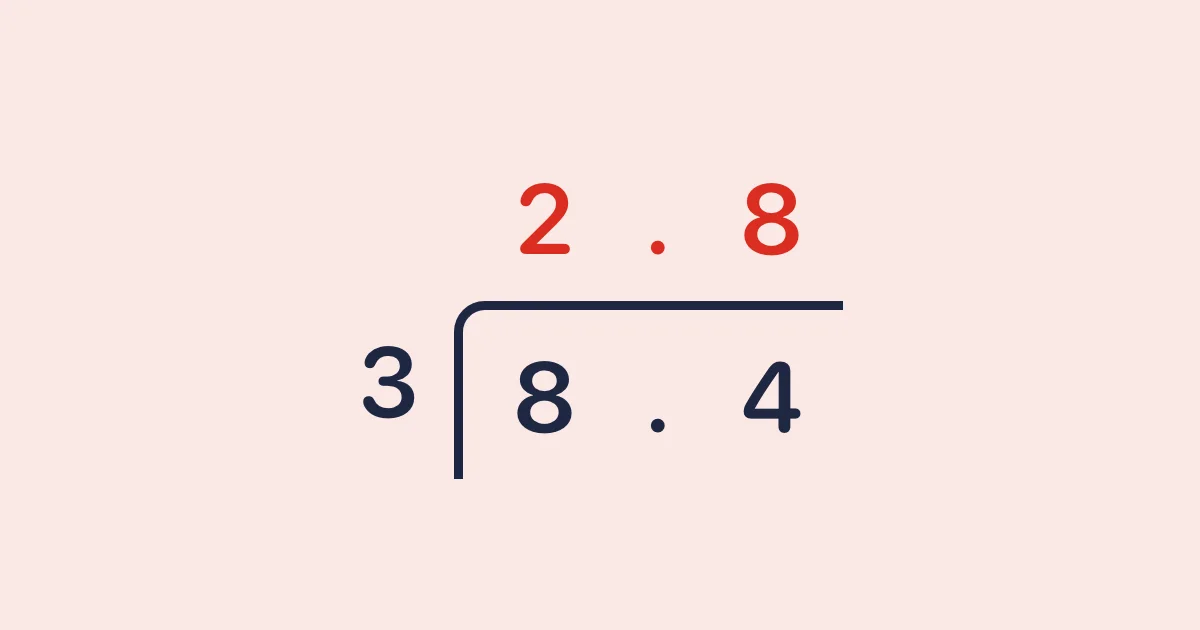
Dividing decimals by whole numbers
How to divide a decimal by a whole number with the bus stop method: the decimal point goes above the point, then carry on with zeros.…