Before you start
Long multiplication needs three things to be secure first:
- times tables (the key one: see how to learn times tables);
- short multiplication by a single digit, with carrying (47 × 3);
- column addition with carrying.
If one of these is shaky, work on it first: long multiplication just puts them together.
The method, step by step: 47 × 23
Row 1: multiply by the ones (the 3)
- 3 × 7 = 21: write 1 and carry 2 (above the tens).
- 3 × 4 = 12, plus the carried 2 = 14: write 14.
- First row: 141.
Row 2: multiply by the tens (the 2)
- We're now multiplying by 2 tens, which is 20. To show that, write a 0 in the ones column first: the placeholder zero.
- 2 × 7 = 14: write 4 and carry 1.
- 2 × 4 = 8, plus the carried 1 = 9: write 9.
- Second row: 940.
The final addition
Add the two rows: 141 + 940 = 1,081.
So 47 × 23 = 1,081.
Why the placeholder zero?
It's the question every child asks, and knowing the answer means they won't forget it. 23 is 20 + 3. So multiplying by 23 means:
- multiplying by 3 → 47 × 3 = 141,
- multiplying by 20 → 47 × 20 = 940,
- and adding them: 141 + 940 = 1,081.
The zero simply shows that the second row is 47 × 20, not 47 × 2. Without it, you'd add 141 + 94 and get 235: far too small!
Check with an estimate
Before (or after) calculating, estimate: 47 × 23 is about 50 × 20 = 1,000. Our answer, 1,081, makes sense. If your child got 235 or 10,810, the estimate would immediately flag a mistake.
The grid method: a useful stepping stone
Many schools in England teach the grid method before long multiplication. You split both numbers into tens and ones and multiply each part:
| × | 40 | 7 |
|---|---|---|
| 20 | 800 | 140 |
| 3 | 120 | 21 |
Then add everything: 800 + 140 + 120 + 21 = 1,081. It shows exactly what long multiplication does, in a more visual way.
How to explain it to your child
- Start with the grid method or partitioning: 47 × 3, then 47 × 20, then add, without the formal layout. They'll see that long multiplication is just a tidy way of doing those three steps.
- Use colours: one colour for the ones row, another for the tens row and its zero.
- Talk through the steps out loud: "3 times 7 is 21, write 1, carry 2…".
- Always estimate before starting.
The most common mistakes
- Forgetting the placeholder zero: adding 141 and 94 gives the wrong answer.
- Mixing up the carried digits from the two rows.
- Forgetting to add the carried digit after multiplying (writing 12 instead of 14 in the first row).
- Times table slips: very common with 7 × 8, 6 × 7, 8 × 9. An estimate often catches them.
- Misaligning the final addition.
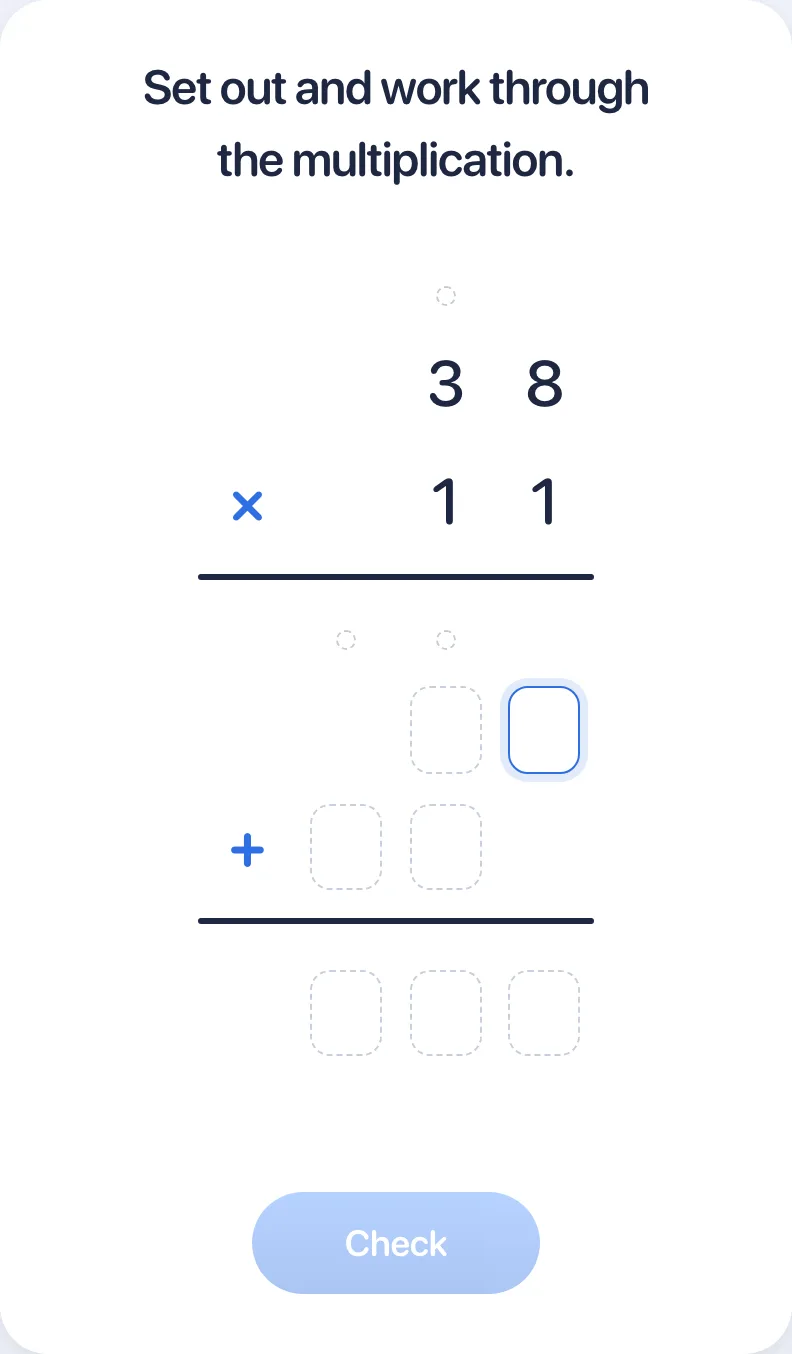
Worked examples
36 × 14
58 × 32
125 × 26
89 × 47
Frequently asked questions
Why do you put a zero in long multiplication?
Because the second row multiplies by the tens digit, which is really a number of tens: multiplying by 2 tens means multiplying by 20. The placeholder zero moves the row one place to the left to show this.
When do children learn long multiplication?
In England, short multiplication is taught in Year 4, and long multiplication (multiplying by a 2-digit number) in Year 5 and Year 6.
How do you check long multiplication?
Estimate by rounding both numbers (47 × 23 ≈ 50 × 20 = 1,000) and check the answer is close. You can also redo the calculation the other way round (23 × 47).
Keep reading: our lessons Long multiplication and Times tables.
Find out where your child stands in 20 minutes
The EasyMaths assessment is free: around thirty varied questions covering the whole year’s curriculum, with clear results skill by skill and the exercises to work on next.
Take the free assessment →In the curriculum: Grade 3 (Year 3) · Grade 4 (Year 4) · Grade 5 (Year 5)
Keep reading
 Written methods
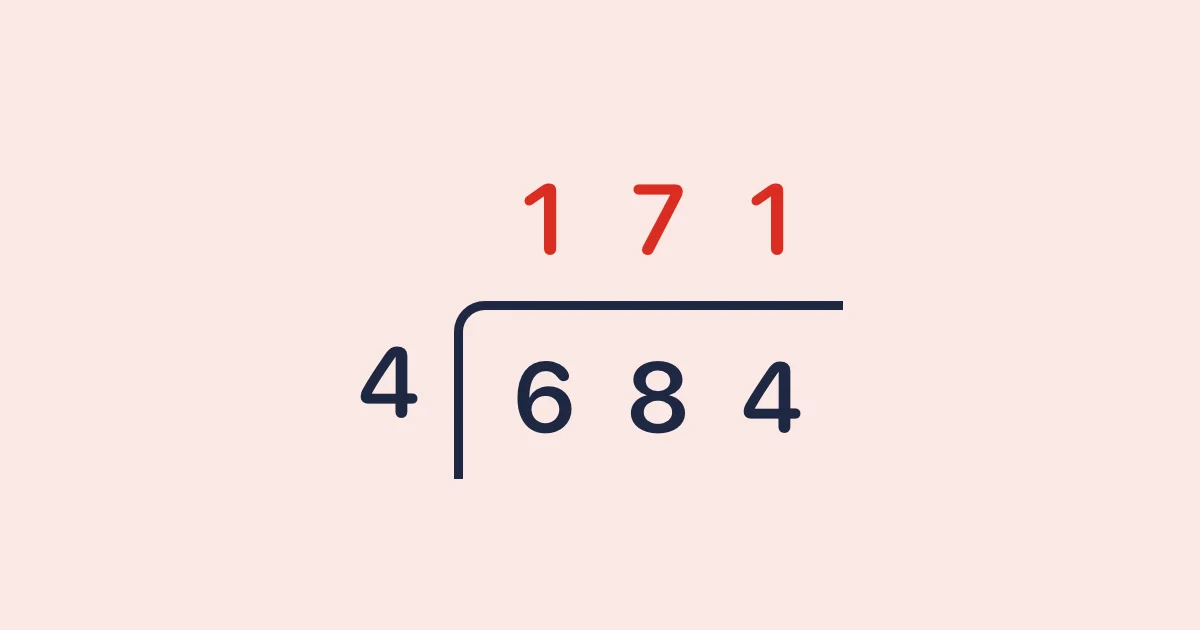
The bus stop method: how to teach division
How to teach the bus stop method (short division): what dividing means, the layout, carrying remainders, worked examples and the most…
 Written methods
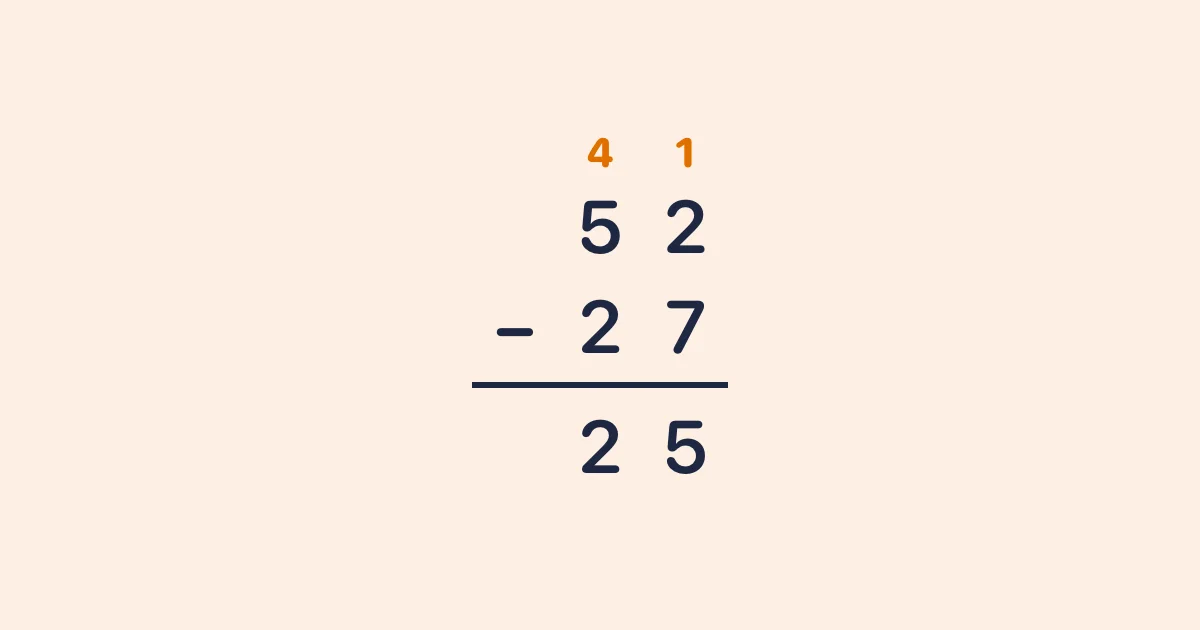
Column subtraction with exchanging, explained
How to do column subtraction with exchanging (also called borrowing or regrouping): a step-by-step method, the tricky zero case and…
 Mental maths
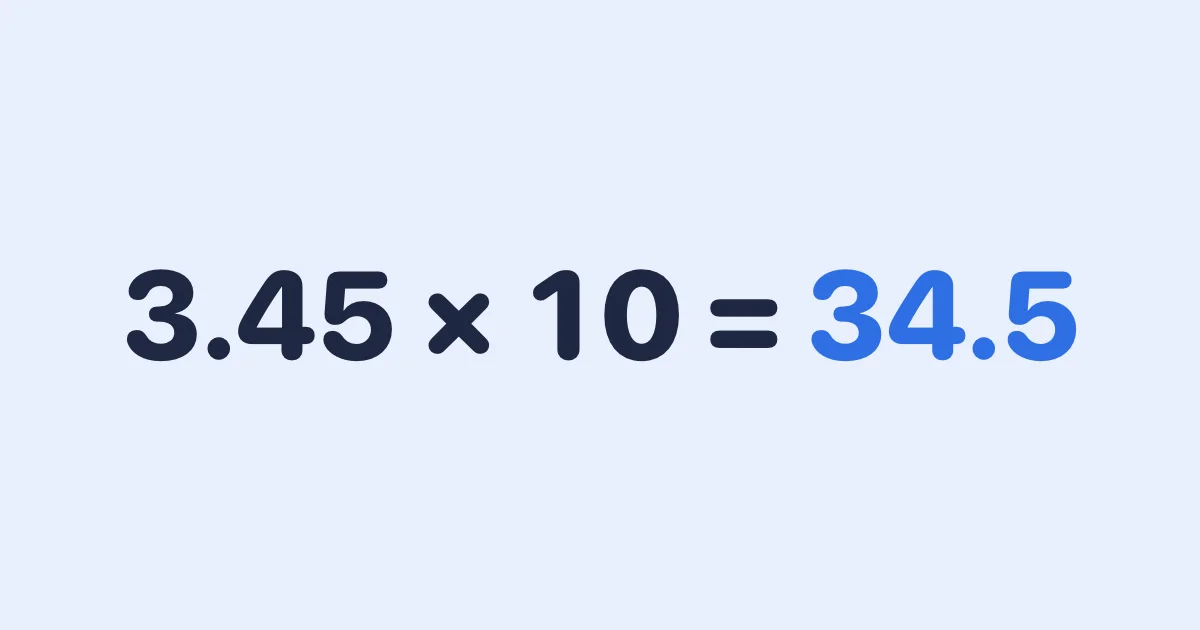
Multiplying by 10, 100 and 1,000
How to multiply whole numbers and decimals by 10, 100 and 1,000: why the digits move, why 'add a zero' fails for decimals, and dividing.…