The units of capacity
Capacity is how much liquid a container can hold. At primary school, the main units are:
| Unit | Symbol | In litres |
|---|---|---|
| litre | l (or L) | 1 l |
| centilitre | cl | 0.01 l |
| millilitre | ml | 0.001 l |
In the UK, litres and millilitres are used most. Centilitres turn up mainly on drinks labels (a 75 cl bottle, a 33 cl can).
Everyday benchmarks
Packaging is perfect for making conversions meaningful:
- a can of drink: 330 ml (0.33 l);
- a bottle of water: 500 ml (0.5 l) or 1.5 l (1,500 ml);
- a teaspoon: about 5 ml;
- a carton of milk: often 1 l, or 1 pint (about 568 ml).
The place value chart method
Example: 1.5 l in ml
| l | 100ml | 10ml | 1ml |
|---|---|---|---|
| 1 | 5 | 0 | 0 |
Example: 330 ml in l
| l | 100ml | 10ml | 1ml |
|---|---|---|---|
| 0. | 3 | 3 | 0 |
The quick method
- l → ml: × 1,000 (the digits move 3 places left). 2.4 l = 2,400 ml.
- ml → l: ÷ 1,000 (the digits move 3 places right). 750 ml = 0.75 l.
- l → cl: × 100. 0.75 l = 75 cl.
- cl → ml: × 10. 33 cl = 330 ml.
Capacity and volume
In secondary school, children link litres and volume: 1 l = 1,000 cm³, the volume of a cube with 10 cm sides. A good benchmark to give now: a 1 litre carton of juice is roughly a cube with 10 cm sides.
How to explain it to your child
- Pour and measure: with a measuring jug, show that four 250 ml cups fill a 1 litre bottle.
- Cook together: recipes use ml (200 ml of milk, 50 ml of oil).
- Read labels in the supermarket.
- Get them to draw the chart, just like for metres and grams.
The most common mistakes
- Multiplying by 100 instead of 1,000: 2 l = 200 ml (wrong: it's 2,000 ml).
- Mixing up cl and ml: 33 cl = 33 ml (wrong: it's 330 ml).
- Going the wrong way: 500 ml = 500,000 l (wrong: it's 0.5 l).
- Forgetting the 0 before the decimal point: .75 l.
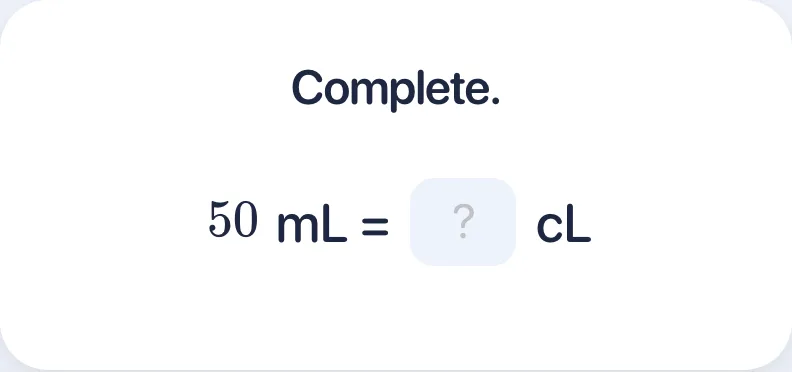
Worked examples
3 l in ml
0.25 l in ml
1,500 ml in l
75 cl in ml
How many 250 ml glasses can you fill from a 2 litre bottle?
Frequently asked questions
How many millilitres are in a litre?
There are 1,000 millilitres in a litre: 1 l = 1,000 ml. Half a litre is 500 ml.
How do you convert ml to litres?
Divide by 1,000: move the digits three places to the right: 750 ml = 0.75 l and 2,500 ml = 2.5 l.
When do children learn to convert capacity?
In England, children measure capacity in litres and millilitres from Year 2, and convert between them, including with decimals, in Year 4 to Year 6.
Keep reading: how to convert cm to m, how to convert grams to kilograms and our lesson Units of measurement.
Find out where your child stands in 20 minutes
The EasyMaths assessment is free: around thirty varied questions covering the whole year’s curriculum, with clear results skill by skill and the exercises to work on next.
Take the free assessment →In the curriculum: Grade 3 (Year 3) · Grade 4 (Year 4) · Grade 5 (Year 5)
Keep reading
 Measurement
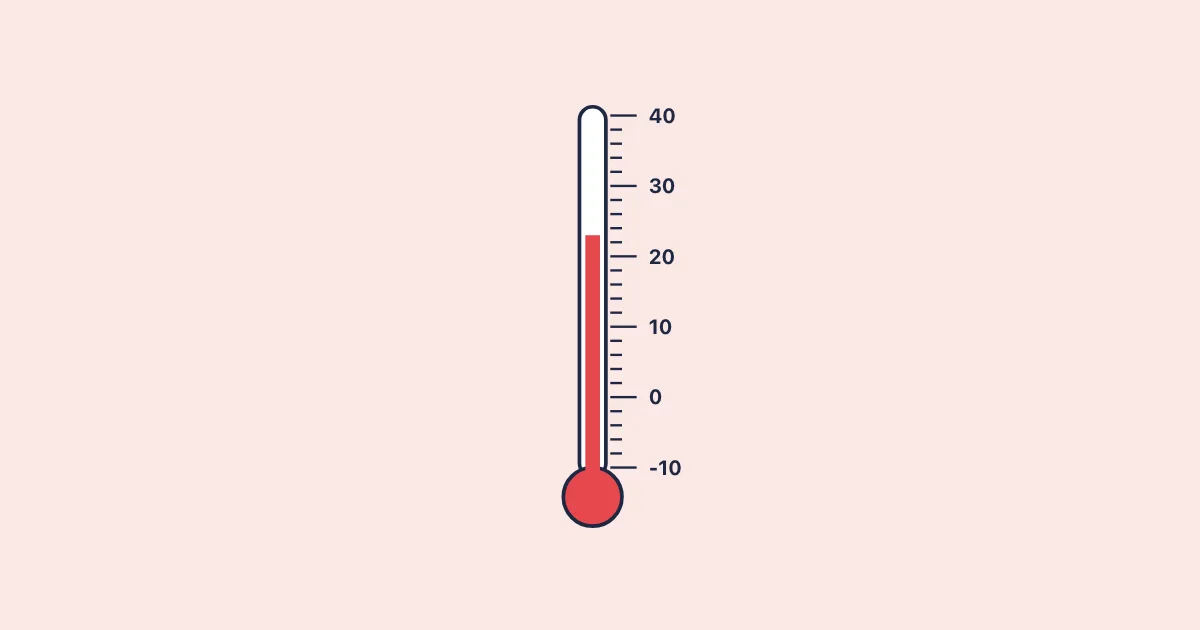
How to read a thermometer
How to read a thermometer: work out what each mark is worth, read temperatures below zero, degrees Celsius, everyday benchmarks and…
 Measurement
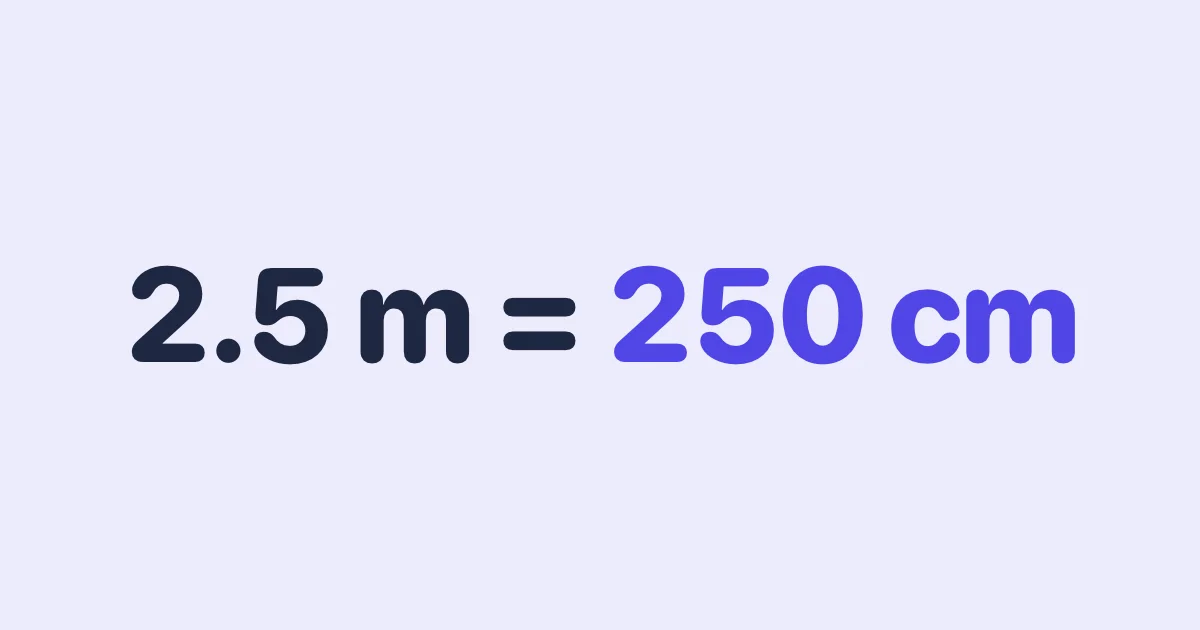
How to convert cm to m (and m to cm)
How to convert cm to m and m to cm: 1 m = 100 cm, the place value chart, moving the digits, plus millimetres and kilometres. With worked…
 Measurement
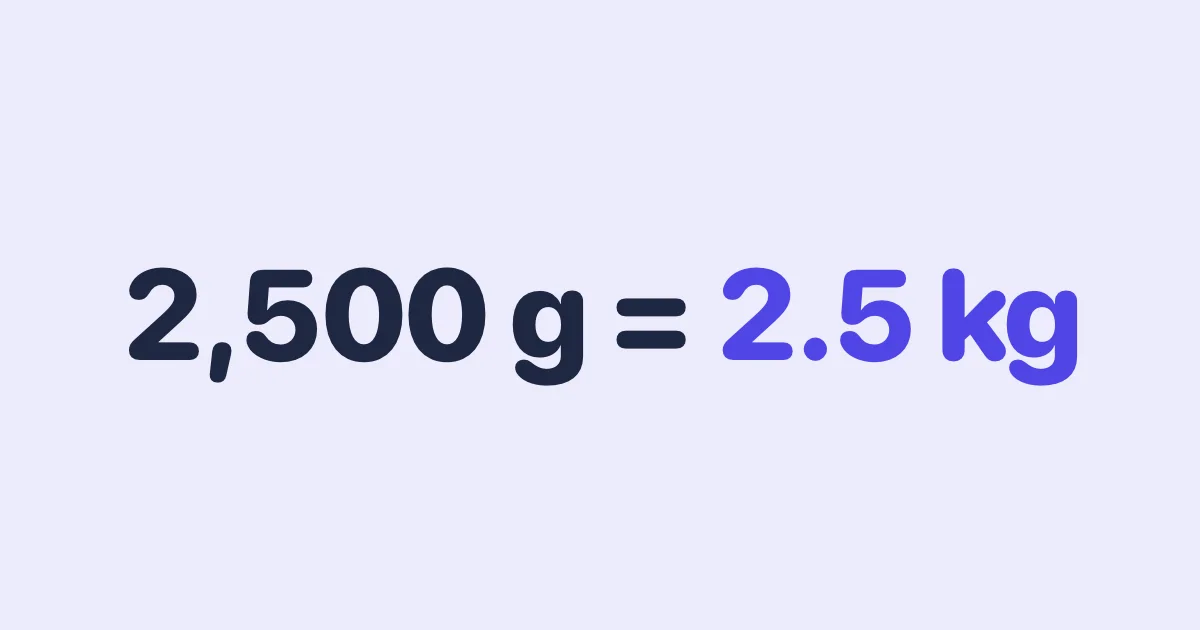
How to convert grams to kilograms
How to convert grams to kilograms and kilograms to grams: 1 kg = 1,000 g, the place value chart method, moving the digits, everyday…